For nearly four decades, the iceberg known as A23a was a symbol of Antarctic endurance. Having calved from the Filchner-Ronne Ice Shelf in 1986, it remained grounded on the seafloor of the Weddell Sea for over thirty years, an island of ice the size of Rhode Island. However, new satellite data released this week indicates that the giant’s long journey is reaching a violent and terminal conclusion.
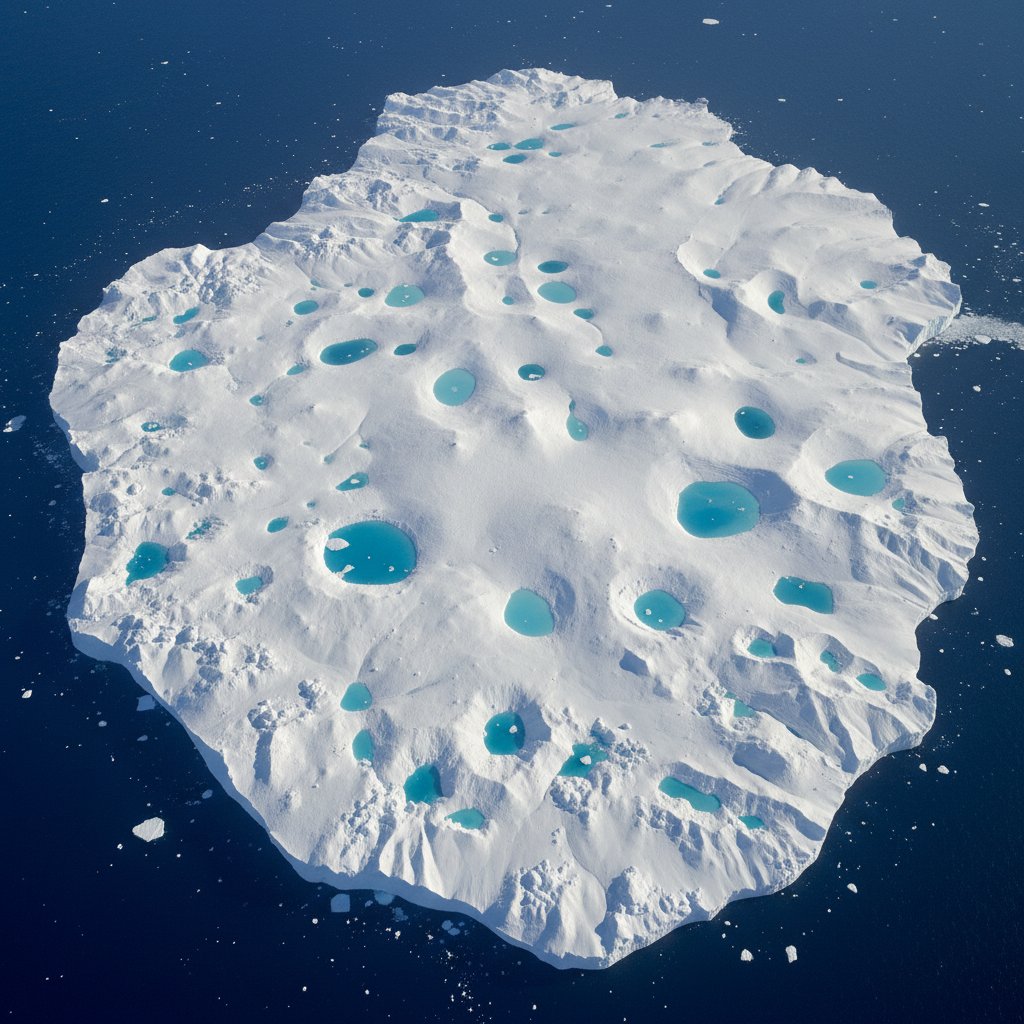
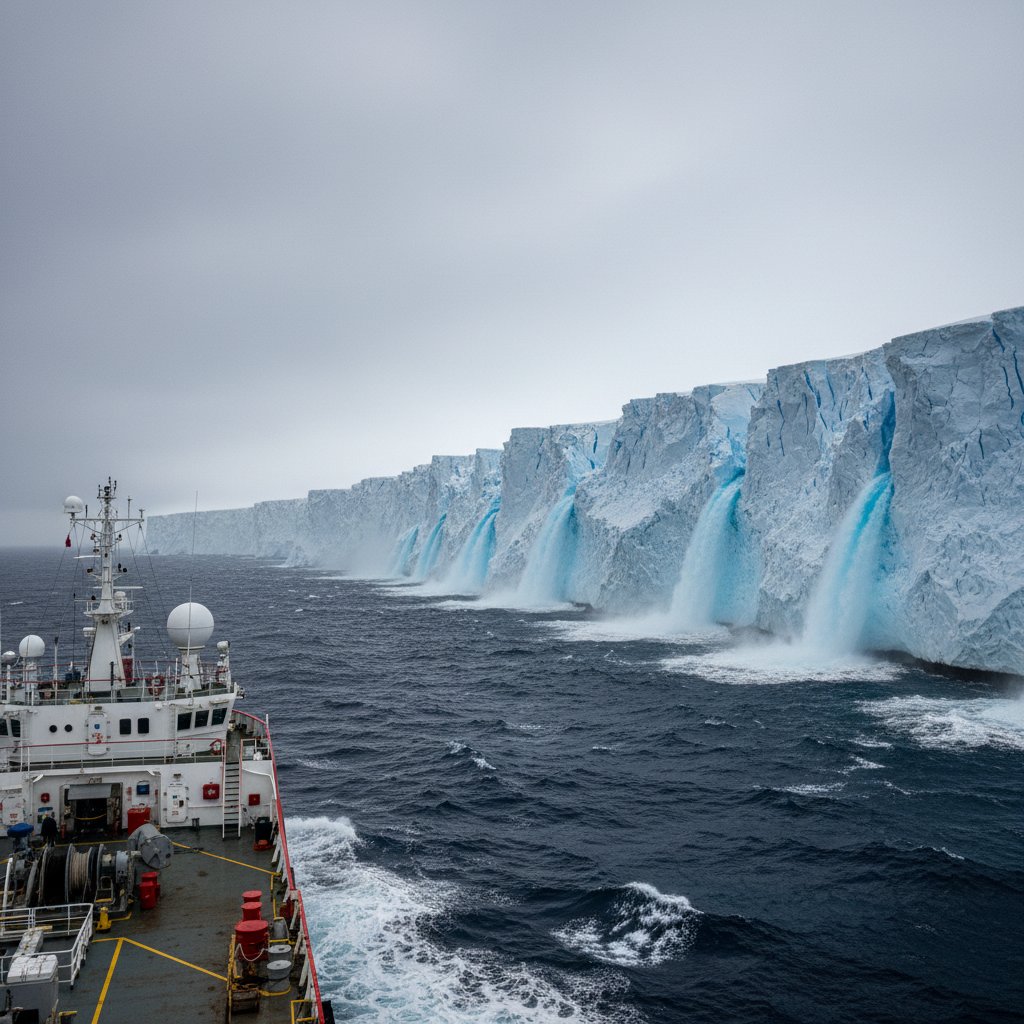
Recent imagery from NASA’s Earth Observatory has revealed a striking and ominous development: the surface of the iceberg is now pockmarked with vibrant, aquamarine-blue meltwater pools. To the casual observer, these "supraglacial lakes" might appear beautiful, but to glaciologists, they are a clear indication that the iceberg is beginning to fragment from within. Experts warn that A23a could completely disintegrate within days or weeks as it moves into the warmer waters of the Southern Ocean.
The Blue Warning Signs
The transition of A23a from a solid white mass to a mottled blue-and-white landscape is a significant milestone in its lifecycle. These blue pools form when surface ice melts due to rising atmospheric temperatures. While surface melting is common on ice shelves, the volume and depth of the ponds currently visible on A23a suggest a rapid destabilization.
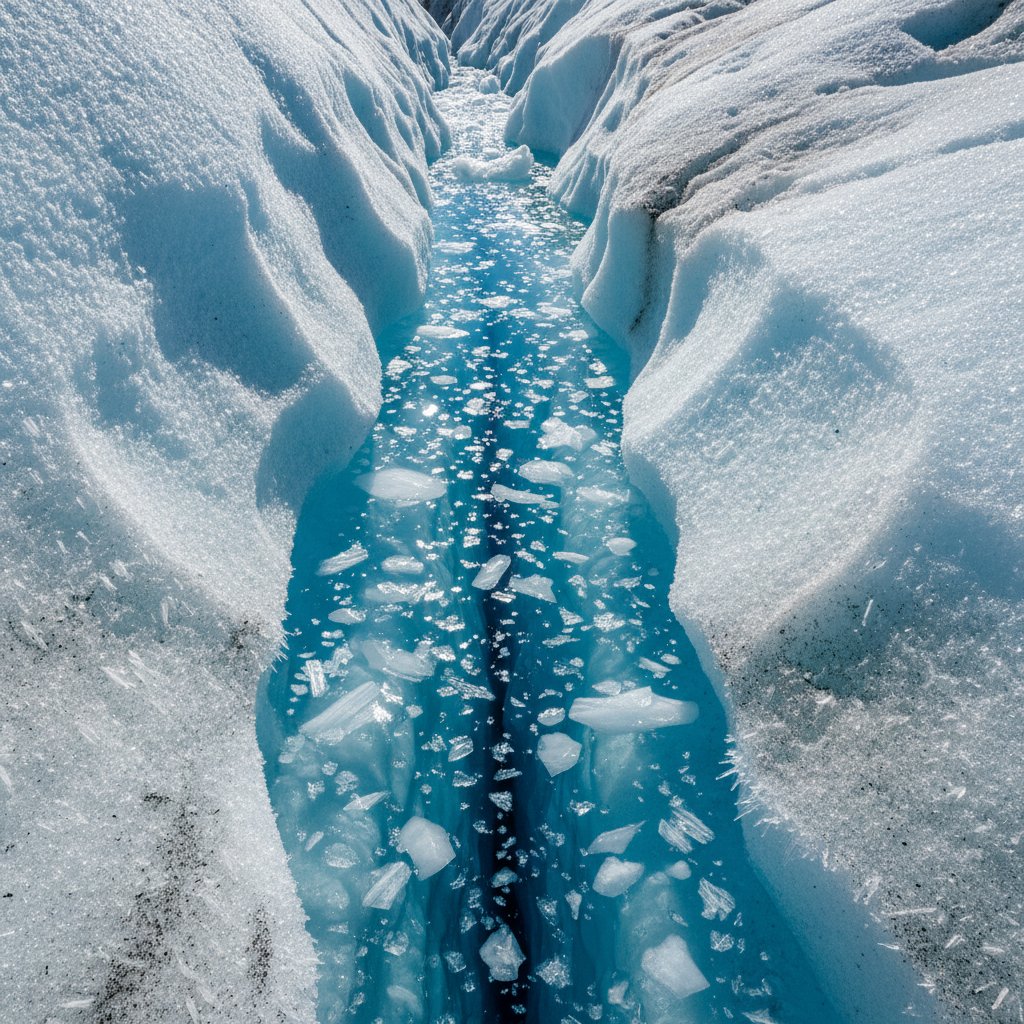
According to researchers at the British Antarctic Survey (BAS), these pools are more than just a symptom of melting; they are active agents of destruction. As water collects in cracks and crevasses, it exerts downward pressure—a process known as hydrofracturing. Because liquid water is denser than ice, it can force cracks to open wider and deeper, eventually slicing through the entire thickness of the iceberg, which averages approximately 400 meters.
A History of Stasis and Movement
A23a’s history is a case study in glaciological patience. After breaking away in 1986, it quickly became stuck in the mud of the Weddell Sea. It remained there until 2020, when it finally lost its grip on the seafloor and began to drift. In late 2023, it gained international headlines when it exited the Weddell Sea and entered "Iceberg Alley," a common path for icebergs heading toward the South Atlantic.
| Feature | Specification (Approximate) |
|---|---|
| Surface Area | 3,900 Square Kilometers |
| Thickness | 400 Meters |
| Estimated Weight | Nearly 1 Trillion Tons |
| Year of Origin | 1986 |
As the iceberg moves further north, it encounters stronger winds and significantly warmer ocean currents. The combination of warmer air melting the top and warmer water eroding the base creates a "pincer movement" that few icebergs of this scale can survive for long.
The Mechanism of Destruction: Hydrofracturing
The process of hydrofracturing is the primary concern for scientists monitoring A23a. Unlike the slow, uniform melting seen in smaller bergs, a giant like A23a tends to shatter. When the supraglacial lakes drain into the ice’s interior, the energy released can be catastrophic.
This phenomenon was most famously observed during the collapse of the Larsen B Ice Shelf in 2002. In that event, thousands of meltwater ponds drained simultaneously, causing a massive area of ice to disintegrate into thousands of small fragments in just a few weeks. Scientists see the current state of A23a as a localized version of this process. Once the structural integrity is compromised by these vertical water columns, the iceberg will likely crumble into "bergy bits" and "growlers"—smaller pieces of ice that still pose a hazard to shipping but no longer carry the majesty of the original giant.
Global Implications for Sea Level and Ecosystems
While the melting of A23a will not directly contribute to sea-level rise—since it is already floating and displacing its own weight—its demise is part of a broader, more concerning trend. The acceleration of iceberg calving and the warming of the Southern Ocean are key indicators of the shifting climate in the Antarctic region.
The disintegration also has ecological consequences. As the iceberg melts, it releases massive amounts of mineral dust that was trapped in the ice for decades. This dust provides nutrients like iron to the surrounding ocean, often triggering massive blooms of phytoplankton. While this can support the local food web, the sudden influx of freshwater also changes the salinity and temperature of the local environment, potentially disrupting the habitats of krill and the whales that feed on them.
FAQ: The Fate of A23a
Why is the blue color significant? The deep blue color represents liquid water that has absorbed the longer wavelengths of light (reds and yellows) and reflected the shorter blue wavelengths. It indicates that the ice is no longer just reflecting sunlight as white snow, but is actively turning into a liquid state on its surface.
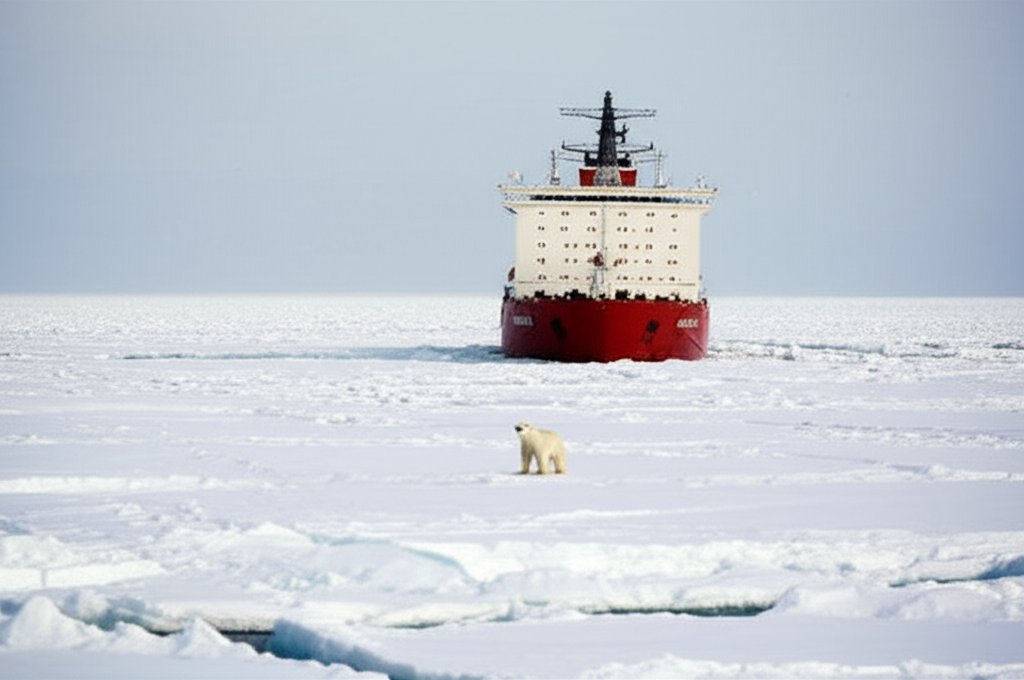
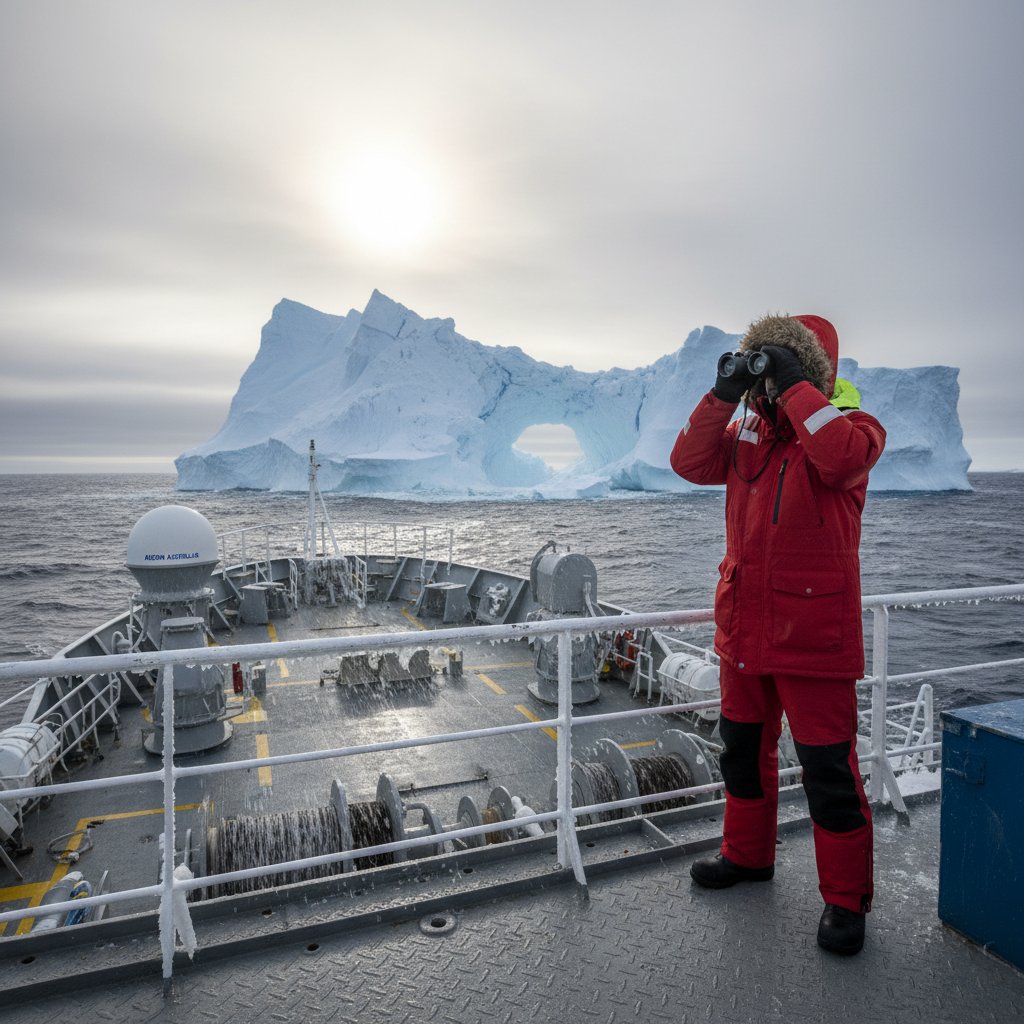
Will this affect shipping lanes? Yes. As A23a shatters, it will create thousands of smaller ice fragments. These are harder to track via satellite than a single giant mass, making them a significant hazard for vessels traveling near South Georgia and the South Sandwich Islands.
Is this caused by climate change? While icebergs calving and eventually melting is a natural process, the speed at which A23a is now disintegrating is consistent with the warming atmospheric and oceanic temperatures observed in the Antarctic Peninsula and the Southern Ocean over the last several decades.
As A23a continues its journey toward warmer latitudes, the global scientific community remains focused on its final days. The transformation from a frozen monolith to a cluster of blue-stained fragments serves as a stark visual reminder of the volatility of our planet’s polar regions.