In a notable shift of executive protocol, President Donald Trump has rescinded an earlier decision to exclude Democratic governors from a long-standing annual meeting at the White House. The move, confirmed by the National Governors Association (NGA) late this week, restores the bipartisan nature of a summit that has served as a cornerstone of federal-state relations for decades.
The initial decision to bar the Democratic executives had sparked a firestorm of criticism from both sides of the aisle, with critics arguing that state-level cooperation is essential for national security, infrastructure development, and economic stability. While the formal meeting is now open to all 50 state leaders, the White House has reportedly maintained a selective invitation list for a separate, private dinner, signaling that while policy discussions have been reopened, social integration remains limited.
A Break from Tradition
The controversy began earlier this week when the White House signaled that the 2026 winter gathering would be restricted to Republican governors. This departure from tradition threatened to upend the National Governors Association’s non-partisan mission. Since the early 20th century, the winter meeting has provided a forum for state leaders to engage directly with the President and Cabinet members regardless of party affiliation.
Sources within the NGA indicated that the President’s initial "snub" was intended to focus the administration's agenda on governors who have publicly aligned with the White House’s "America First" economic policies. However, the logistical reality of managing federal grants and cross-state commerce eventually forced a reconsideration. The NGA, currently chaired by a Republican and vice-chaired by a Democrat, reportedly engaged in quiet but firm negotiations with the White House to ensure all states had a seat at the table.
The Role of the National Governors Association
The NGA serves as the collective voice of the nation’s governors and is one of Washington’s most influential lobbying groups. By attempting to exclude half of the membership, the administration risked alienating key partners in states like California, New York, and Illinois—territories that represent a significant portion of the national GDP and are essential for large-scale federal projects.
Political analysts suggest that the reversal reflects a pragmatic realization within the West Wing. "The administration needs the cooperation of all governors to implement federal mandates," says Dr. Elena Vance, a senior fellow at the Institute for Federalism. "Whether it is disaster relief or healthcare administration, you cannot bypass the governors of the largest states simply because they belong to the opposition party."
Partisanship Persists in Social Protocol
Despite the restoration of the formal meeting, the administration has held firm on excluding certain Democratic governors from a high-profile dinner scheduled for Saturday evening. This "selective hospitality" has created a tiered system of access that some governors find troubling.
Republican supporters of the President argue that the dinner is a private social function where the President should be free to host those who support his legislative agenda. Conversely, Democratic governors have labeled the move as "unnecessary pettiness" that undermines the dignity of the office.
The following table outlines the revised schedule for the upcoming weekend at the White House:
| Event | Attendance Status | Primary Focus |
|---|---|---|
| NGA Policy Plenary | Bipartisan (All Governors) | Infrastructure, Trade, and Border Security |
| Executive Luncheon | Bipartisan (All Governors) | Federal Grant Allocation |
| Presidential Gala Dinner | Republican Only (Invitational) | Political Alignment and Strategy |
Implications for 2026 Policy Goals
The tension surrounding this meeting comes at a critical time for the administration. With several major legislative packages regarding energy and tech regulation currently in the works, the White House requires at least a baseline of cooperation from state legislatures.
Democratic governors, many of whom have already formed coalitions to challenge federal policies in court, view the meeting as an opportunity to voice their grievances directly. "We aren't looking for a social invitation," said a spokesperson for the Democratic Governors Association. "We are looking for a functional relationship that serves the taxpayers of our states."
As the governors descend on Washington D.C. this weekend, the atmosphere is expected to be professional but strained. The reversal allows the administration to claim it is being inclusive, while the dinner exclusion ensures it maintains a "loyalist" inner circle for more sensitive political discussions.
Looking Ahead
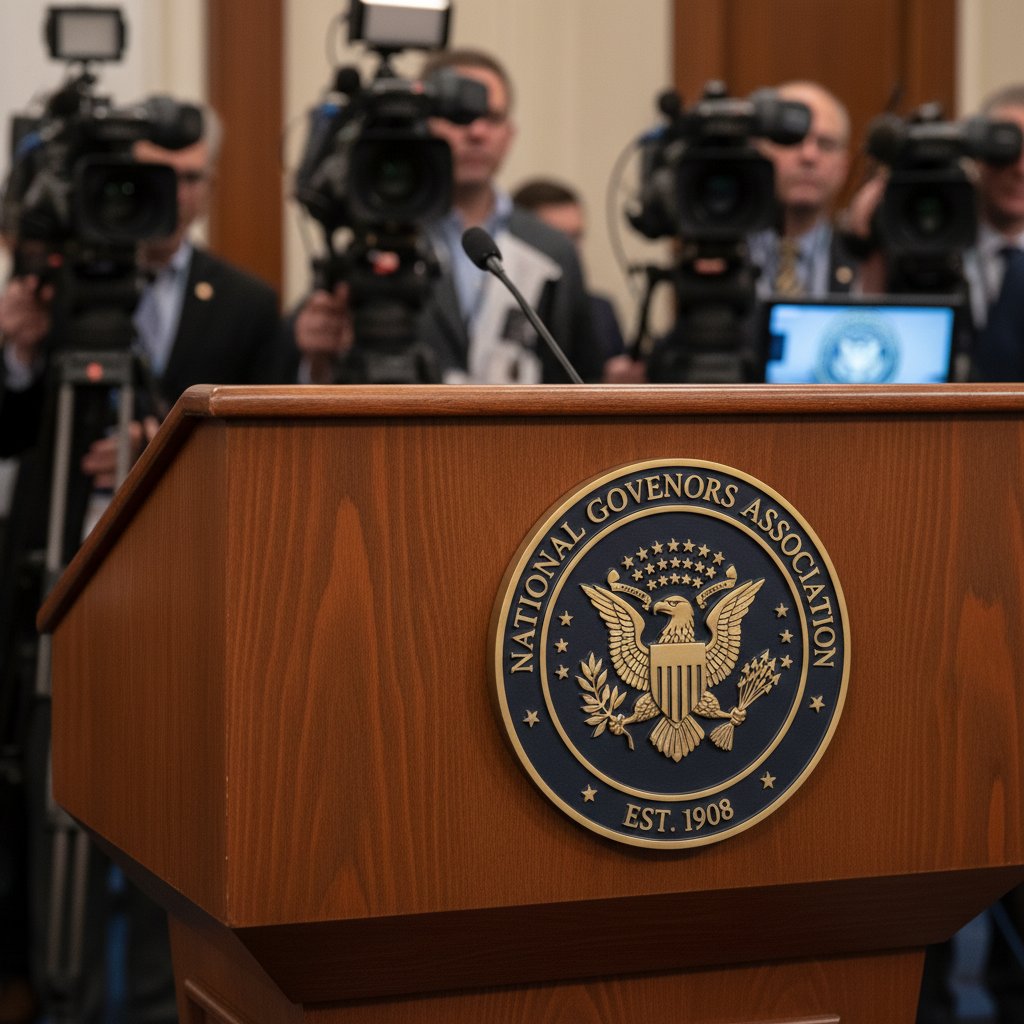
The outcome of these meetings will likely set the tone for federal-state relations for the remainder of the year. If the plenary sessions prove productive, it could signal a cooling of tensions. However, if the rhetoric remains combative, the NGA may find it increasingly difficult to maintain its bipartisan identity in an era of deep political polarization.
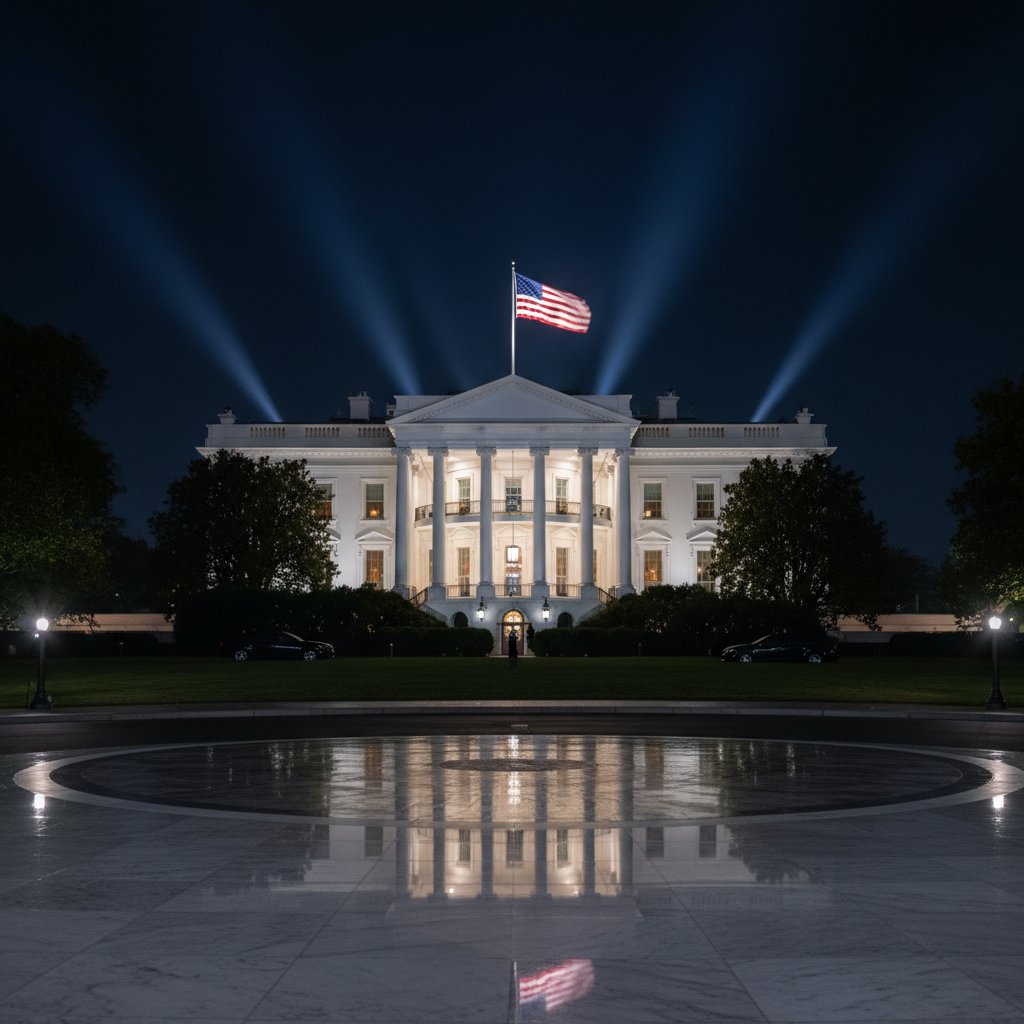
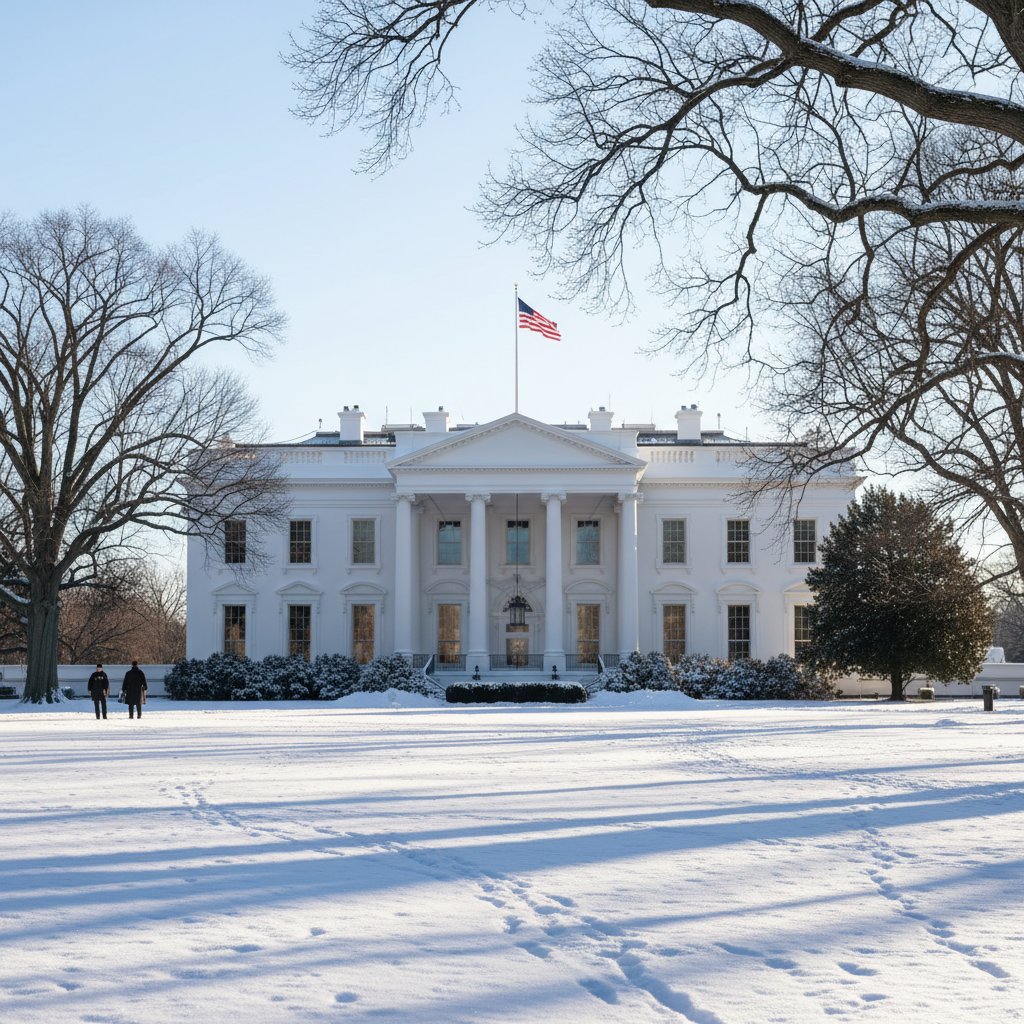
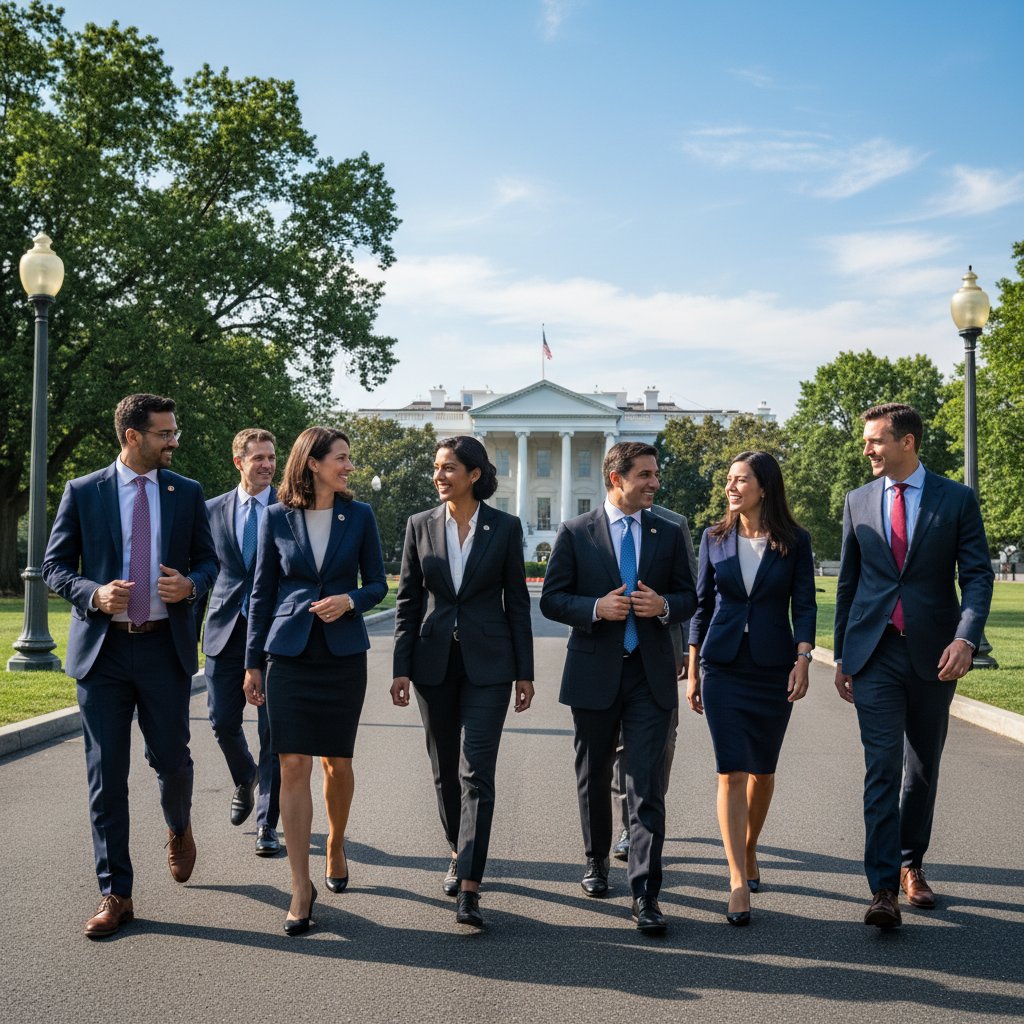
For now, the White House lawn will host a full assembly of the nation's governors, a visual reminder that despite the friction, the machinery of American government still requires all its parts to function.