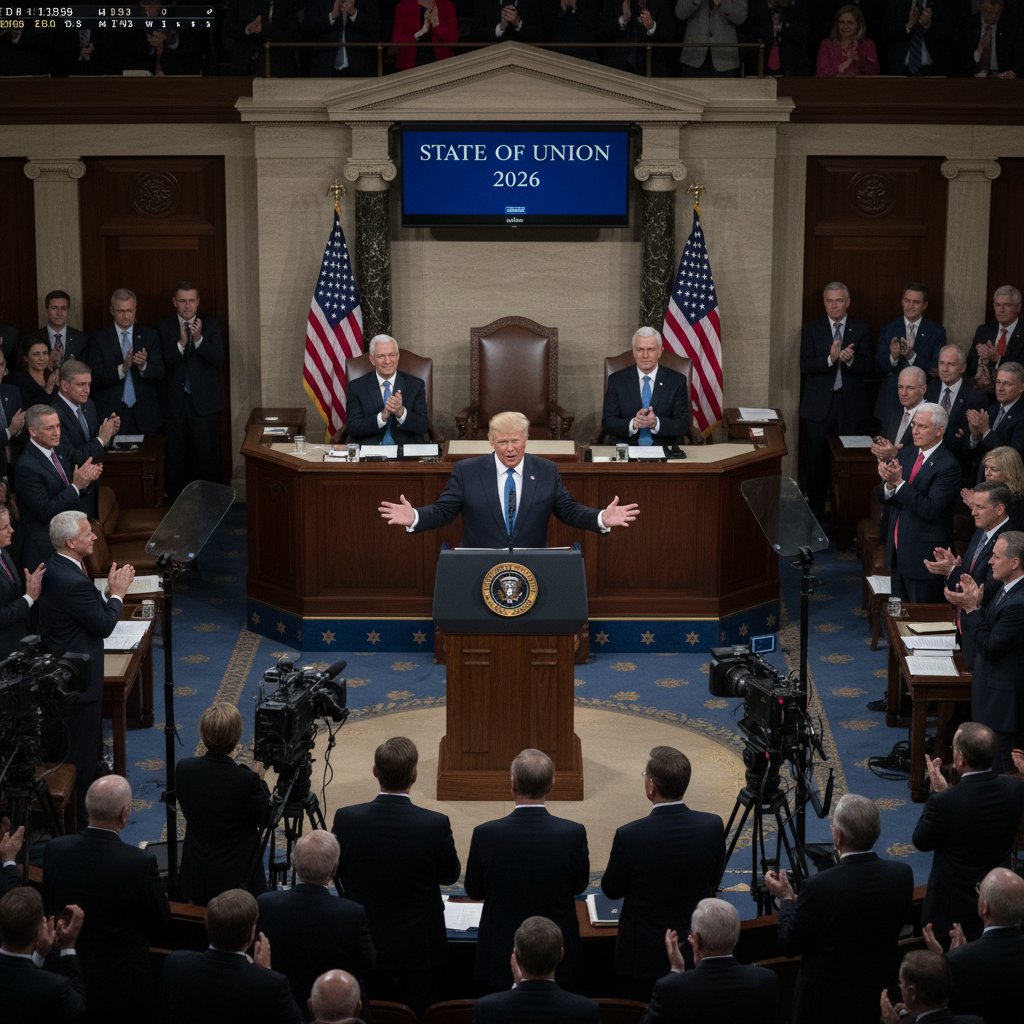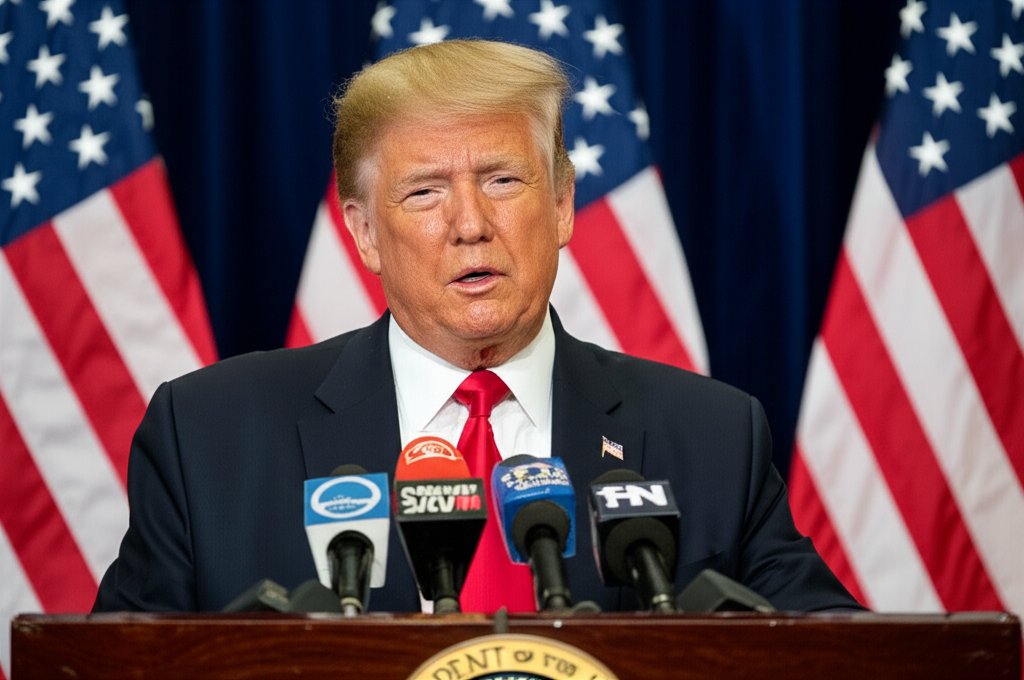
CHICAGO, IL – October 10, 2025 – Former President Donald Trump ignited a fresh political firestorm earlier this week by publicly declaring that Illinois Governor J.B. Pritzker and Chicago Mayor Brandon Johnson "should be in jail." The incendiary remarks, made during a news conference on Wednesday, mark a significant escalation in Trump's contentious relationship with the Democratic leadership of Illinois and have drawn immediate, sharp condemnation from Governor Pritzker.
The former president's comments underscore a deepening divide in American political discourse, transforming policy disagreements into highly personal accusations of criminality. While Trump frequently uses strong rhetoric, this direct call for the imprisonment of sitting elected officials represents an extreme departure from conventional political sparring.
The Accusations and Swift Rebuttal
During his news conference, which garnered significant media attention, Donald Trump did not elaborate on specific charges or legal justifications for his assertion that Pritzker and Johnson belong in jail. His broad criticism often targets Democratic-led states and cities, particularly on issues related to crime, immigration, and economic policy, areas where Illinois and Chicago have frequently drawn his ire. Observers suggest the comments are consistent with Trump's strategy of using aggressive language to energize his base and frame political opponents as fundamentally corrupt or incompetent.
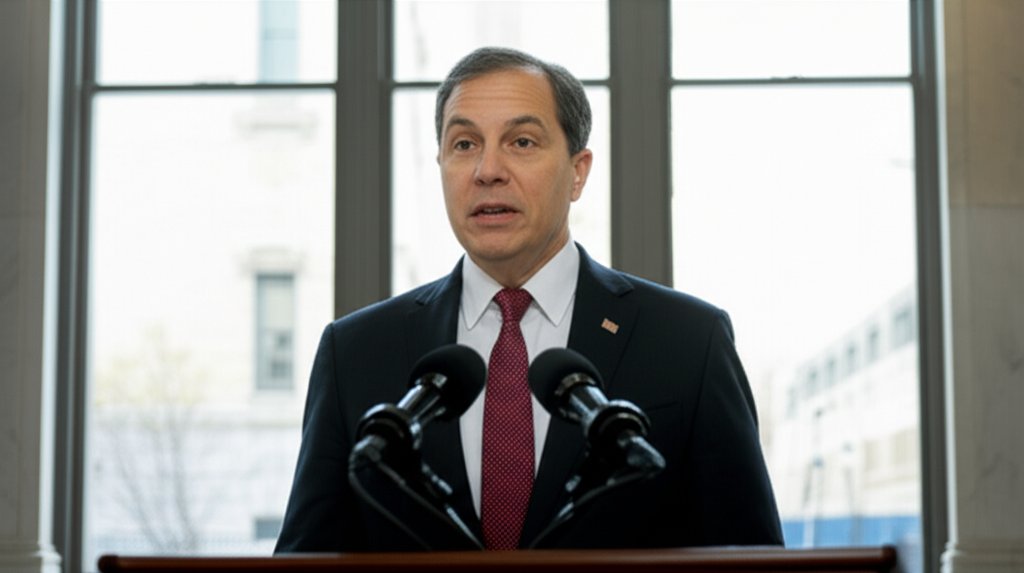
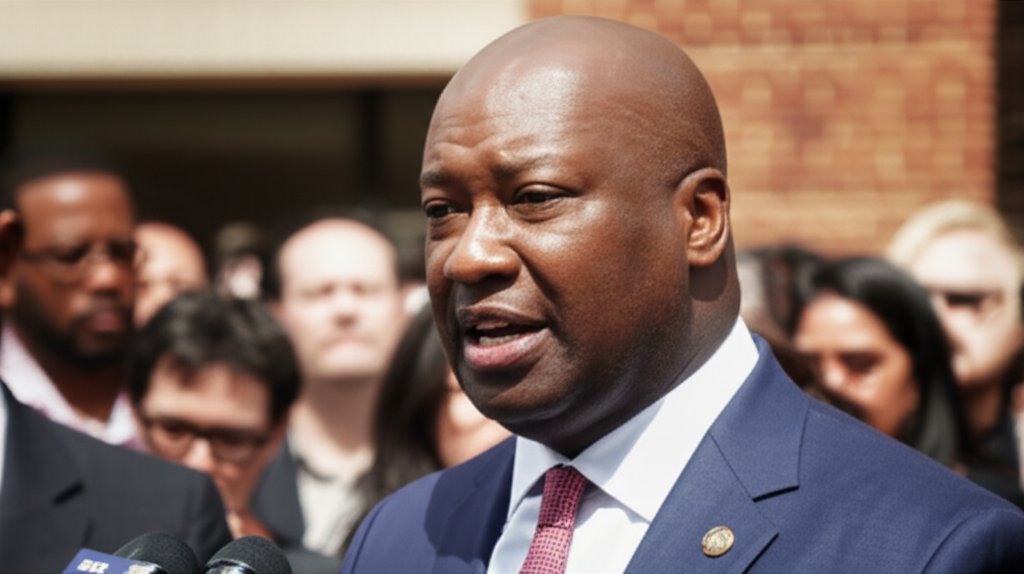
Governor J.B. Pritzker wasted no time in responding, issuing a stern warning to the former president. During a subsequent news conference, Pritzker forcefully condemned Trump's remarks, stating, "If you come for my people, you come through me. So come and..." The governor's defiant tone conveyed a clear message that he would not tolerate what he perceived as an attack on his administration or the people of Illinois. Mayor Johnson's office has yet to issue an extensive public statement, though sources indicate a unified front with Governor Pritzker against the former president's accusations.
A History of Clash
The latest rhetoric marks an intensification of an already fraught relationship between Donald Trump and Illinois's political establishment. Throughout his presidency and post-presidency, Trump has often targeted Chicago as an example of urban challenges, particularly concerning crime rates. Governor Pritzker, a prominent Democratic figure, has been an outspoken critic of Trump's policies and leadership. This ongoing ideological clash forms the backdrop for the former president's increasingly sharp barbs.
Political analysts suggest that such rhetoric, while perhaps aimed at mobilizing a base, risks further polarizing the national political environment. The normalization of calls for the imprisonment of political opponents, absent any due process or evidence of criminal wrongdoing, could have long-term implications for the stability of democratic institutions and the rule of law.
Why the Story Matters
This event transcends typical political banter. When a former President, especially one who maintains significant influence over a large segment of the electorate, suggests that duly elected officials should be incarcerated without specific legal charges, it sends a powerful message. It blurs the lines between legitimate political criticism and potentially inflammatory calls for punitive action. This can erode public trust in the electoral process and the justice system, fostering an environment where political disagreements are seen through a lens of legal retribution rather than policy debate.
The incident also highlights the continued prominence of Donald Trump in the national political dialogue, even years after leaving office. His ability to command headlines and provoke immediate responses from high-ranking officials underscores his unique position in American politics. As the nation continues to navigate a landscape of intense political polarization, the language used by influential figures carries substantial weight and can shape perceptions of governance, justice, and democratic accountability.
Looking Ahead
As of Friday, October 10, 2025, the immediate fallout from Trump's comments continues to unfold. While legal experts generally dismiss the feasibility of such arrests based purely on political rhetoric, the political reverberations are considerable. The incident serves as a stark reminder of the charged atmosphere in contemporary American politics and the ongoing battles over the future direction of the country, played out through high-profile verbal confrontations between political titans. The focus now shifts to how this exchange will impact the broader political narrative leading into future elections and the continued discourse surrounding the role of rhetoric in a democratic society.