In the wake of recent U.S. military operations in the Middle East, a new CBS News poll conducted immediately prior to the strikes reveals a complex and cautious American electorate. As the Biden administration navigates a volatile landscape of regional proxies and direct Iranian influence, the data suggests that while the American public remains wary of Tehran, there is a profound reluctance to engage in another protracted conflict.
The polling, finalized just as news of the U.S. airstrikes began to circulate on February 28, indicates that a significant majority of Americans believe the United States should be actively pressuring or engaging the Iranian leadership. However, the methods of that engagement remain a point of deep domestic contention, reflecting the scars of previous conflicts in the region.

The Diplomacy vs. Deterrence Debate
According to the CBS News findings, the American public is not seeking a retreat from the world stage, but rather a more calculated form of involvement. A majority of respondents expressed that the U.S. must exert influence to curb Iranian regional ambitions, yet the appetite for "boots on the ground" or high-intensity kinetic warfare remains at historic lows.
When asked about the nature of the relationship, the data showed a preference for economic and diplomatic levers. Approximately 55% of respondents favored increased sanctions and diplomatic isolation, while only a small minority—roughly 18%—supported a preemptive military strike to degrade Iranian nuclear or military capabilities. This suggests a public that views Iran as a systemic threat to be managed rather than a localized problem to be solved through force alone.
The timing of this poll is critical. Because it captured public sentiment hours before the latest round of retaliatory strikes, it serves as a baseline for understanding how the public might react as the conflict evolves. Traditionally, "rally-round-the-flag" effects provide a short-term boost to executive approval, but the poll indicates that such support may be contingent on the perceived duration of the engagement.
Congressional Oversight in the Crosshairs
One of the more striking elements of the CBS News report is the public's insistence on the role of the legislative branch. As the executive branch exercises its powers under the War Powers Resolution, the poll shows that a bipartisan majority—64%—believes Congress should have a larger say in determining the scope and duration of any military action involving Iran.
This sentiment cuts across traditional party lines, reflecting a growing "restraint" movement within both the Democratic and Republican parties. Voters are increasingly skeptical of unilateral executive action that leads to open-ended commitments.
Public Opinion on Congressional Authority
| Political Affiliation | Favors Congressional Approval | Favors Executive Autonomy | | :--- | :--- | :--- | | Democrat | 68% | 32% | | Republican | 61% | 39% | | Independent | 63% | 37% |
Experts suggest this data reflects a desire for a "national conversation" regarding the U.S. footprint in the Middle East. "The American public is essentially asking for a check on the presidency," says Dr. Elena Vance, a senior fellow at the Institute for Middle Eastern Policy. "They aren't necessarily anti-military, but they are anti-ambiguity. They want clear objectives and a clear exit strategy."
A Nation Wary of 'Forever Wars'
The ghost of the Iraq and Afghanistan wars looms large over current polling. When asked how long a potential conflict with Iran might last, the responses were characterized by pessimism. Nearly half of the respondents believed a conflict would last "years," while only 12% believed it could be resolved within a few months.
This realism regarding the difficulty of military success in the region is shaping the political landscape. For the 2026 mid-term cycle, candidates are likely to find themselves pressured to define their "Iran strategy" with high specificity. The poll suggests that the "blank check" era of post-9/11 foreign policy has been replaced by a "show me the plan" era.
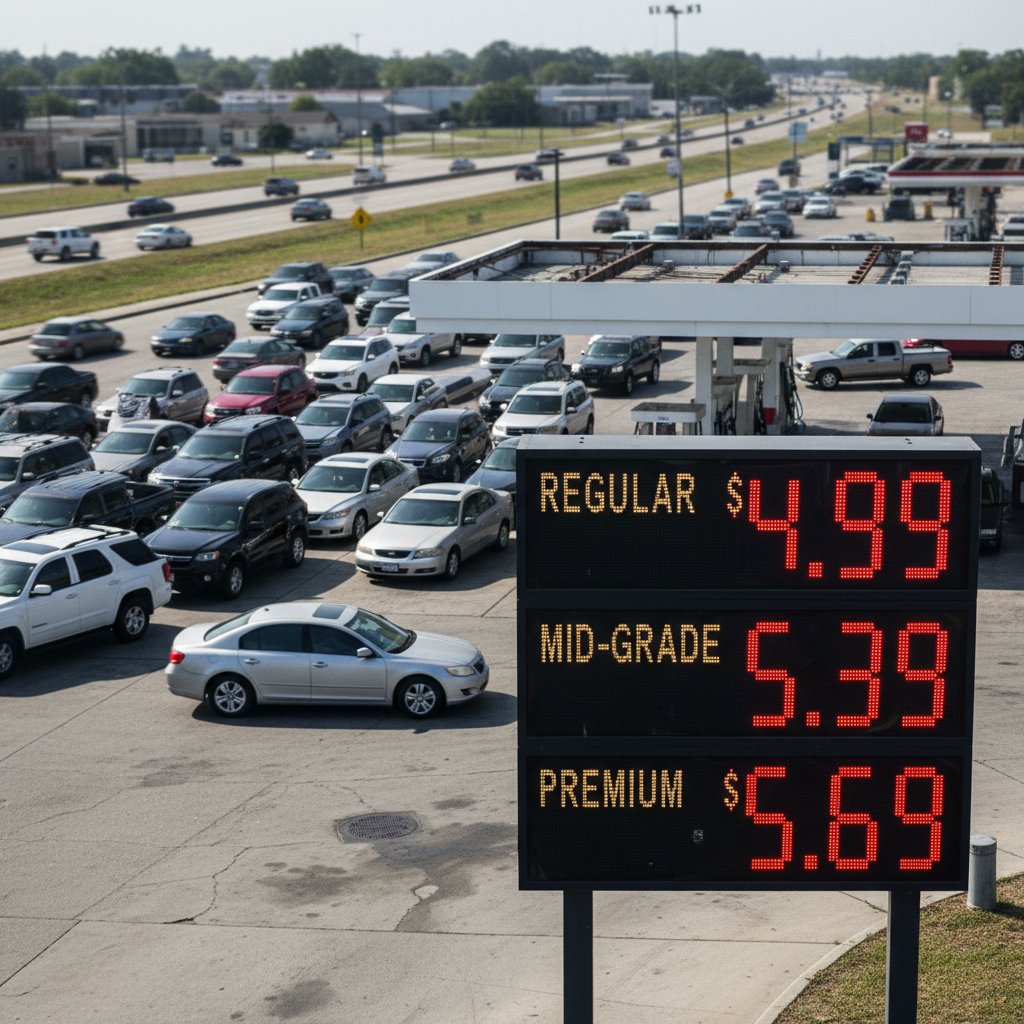
Furthermore, the economic implications of a conflict with Iran are at the forefront of the public's mind. With global energy markets sensitive to any disruption in the Strait of Hormuz, 72% of respondents expressed "great concern" that a conflict would lead to a surge in domestic gasoline prices and general inflation, which remains a primary concern for the average household.
Conclusion: A Delicate Balancing Act
The CBS News poll highlights the thin tightrope the White House must walk. The administration must project strength to deter further attacks on U.S. personnel while simultaneously reassuring a skeptical public that it is not sleepwalking into a major regional war.
As the situation on the ground continues to develop, this data provides a vital snapshot of a nation that is engaged but exhausted. The demand for diplomatic pressure, combined with a insistence on Congressional oversight, suggests that the American public is looking for a strategy that prioritizes stability over victory, and caution over confrontation.