BUDAPEST — Hungarian Prime Minister Viktor Orbán has officially launched a high-stakes reelection campaign, centered not on the country’s struggling domestic economy, but on the purported threat posed by neighboring Ukraine. Facing the most significant political challenge of his sixteen-year tenure, the long-serving leader is leveraging state-controlled media and expansive billboard campaigns to frame the upcoming vote as a choice between national security and foreign-led escalation.
The shift comes at a critical juncture for Hungary. For years, Orbán’s Fidesz party has maintained a comfortable lead by emphasizing national sovereignty and traditional values. However, persistent economic stagnation, high inflation rates, and the continued freezing of European Union funds have eroded his support base. Political analysts suggest that by identifying an external adversary, Orbán aims to galvanize his core supporters and deflect criticism regarding the country’s financial health.
The Narrative of ‘War or Peace’
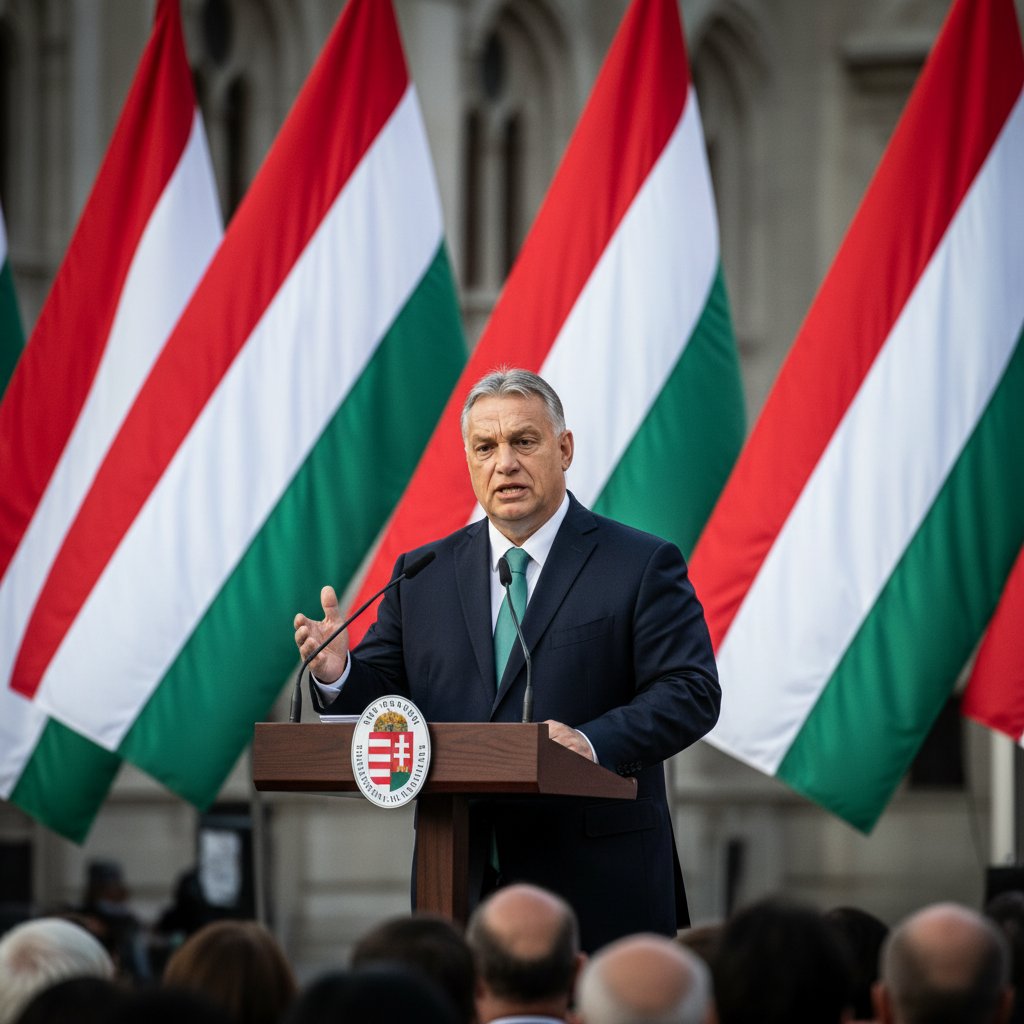
Central to the Prime Minister’s messaging is the assertion that Hungary’s involvement in supporting Ukraine would lead to direct conflict with Russia. During a recent address in Budapest, Orbán characterized the pro-Western opposition as “pro-war,” suggesting that their victory would inevitably result in Hungarian troops being sent to the front lines. This “war or peace” dichotomy has become the cornerstone of his platform, despite repeated assurances from opposition leaders that they seek only to align Hungary with its NATO and EU allies.
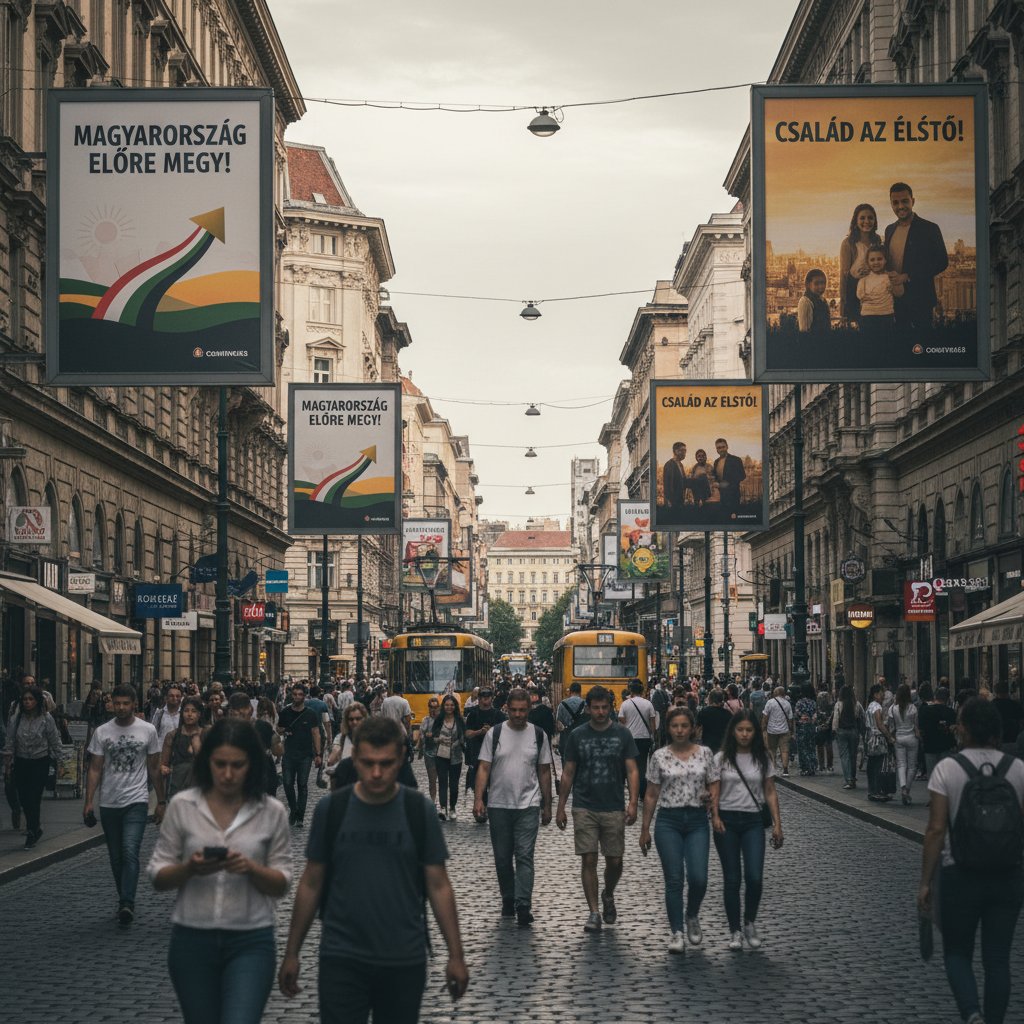
Government-funded advertisements have flooded social media and public spaces, often using stark imagery to link the Ukrainian government with economic hardship and potential military draft. The campaign deliberately avoids discussing the 10.5% inflation rate or the widening deficit, focusing instead on the narrative that Ukraine’s ambitions for NATO membership represent an existential threat to Hungarian neutrality.
Economic Stagnation and the Search for Scapegoats
The focus on Ukraine is viewed by many as a tactical diversion from Hungary’s internal woes. The country has struggled to recover from a technical recession, and the cost of living remains a primary concern for the average citizen. By framing the war in Ukraine as the root cause of all economic ills—rather than government policy or the ongoing disputes with Brussels—Orbán is attempting to rewrite the causal link for the electorate.
Independent economists argue that Hungary’s isolation within the European Union has hindered its recovery. Billions of euros in recovery funds remain blocked due to concerns over the rule of law and judicial independence. Rather than implementing the reforms required to release these funds, the government has chosen to portray the EU’s demands as another form of foreign interference, often grouping “Brussels bureaucrats” and “Ukrainian interests” into a single adversarial category.
A Fractured Opposition and the Rise of New Challengers
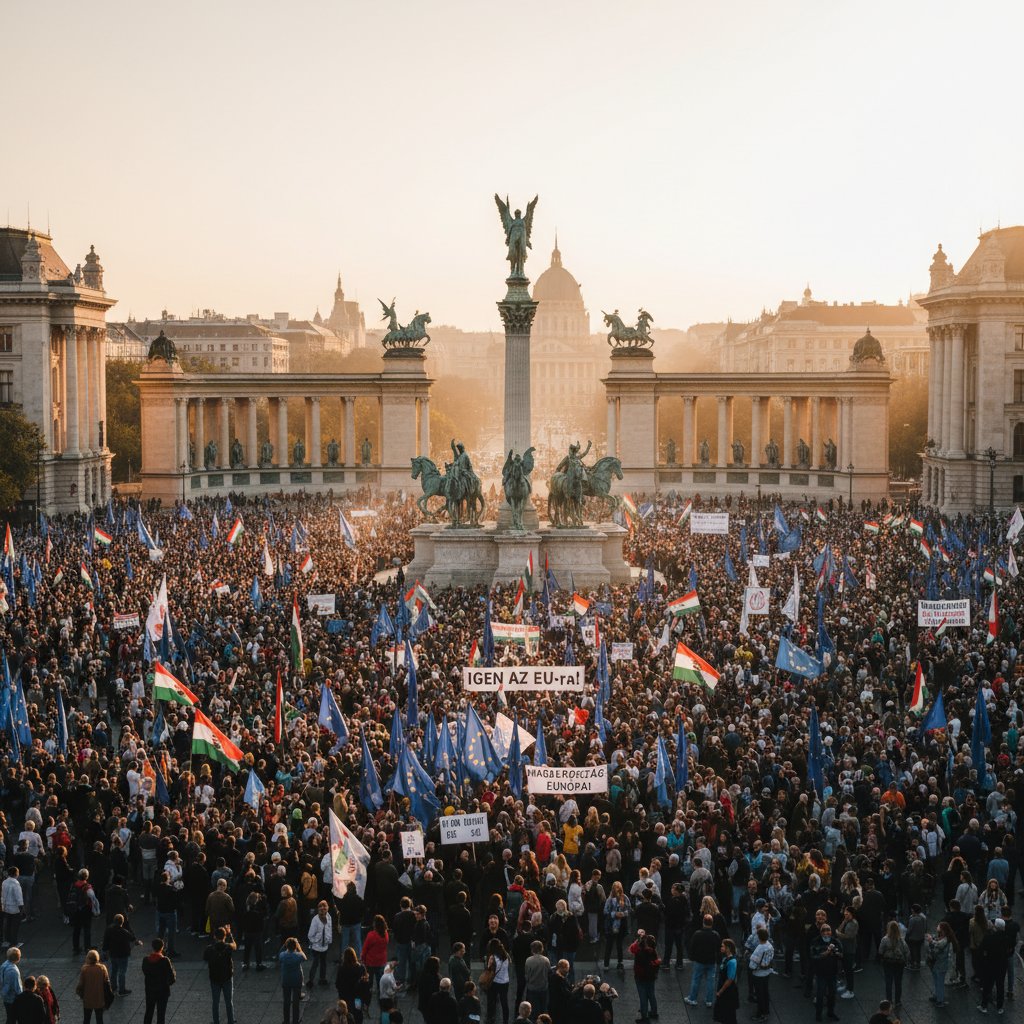
While Orbán’s strategy relies on traditional populist tactics, the political landscape in 2026 is markedly different from previous cycles. The emergence of a more unified opposition, led by figures who have capitalized on public dissatisfaction with corruption, has forced Fidesz onto the defensive. Protests in Budapest have drawn tens of thousands, with demonstrators calling for a return to European norms and more transparent governance.
The opposition’s counter-message focuses on “The Real Cost of Isolation.” They argue that Orbán’s pro-Russian tilt has not only alienated Hungary from its traditional partners in the Visegrád Group—such as Poland and the Czech Republic—but has also left the country vulnerable to energy blackmail and economic volatility. They contend that the “threat” from Ukraine is a manufactured crisis designed to mask a decade of institutional decay.
International Implications and NATO Unity
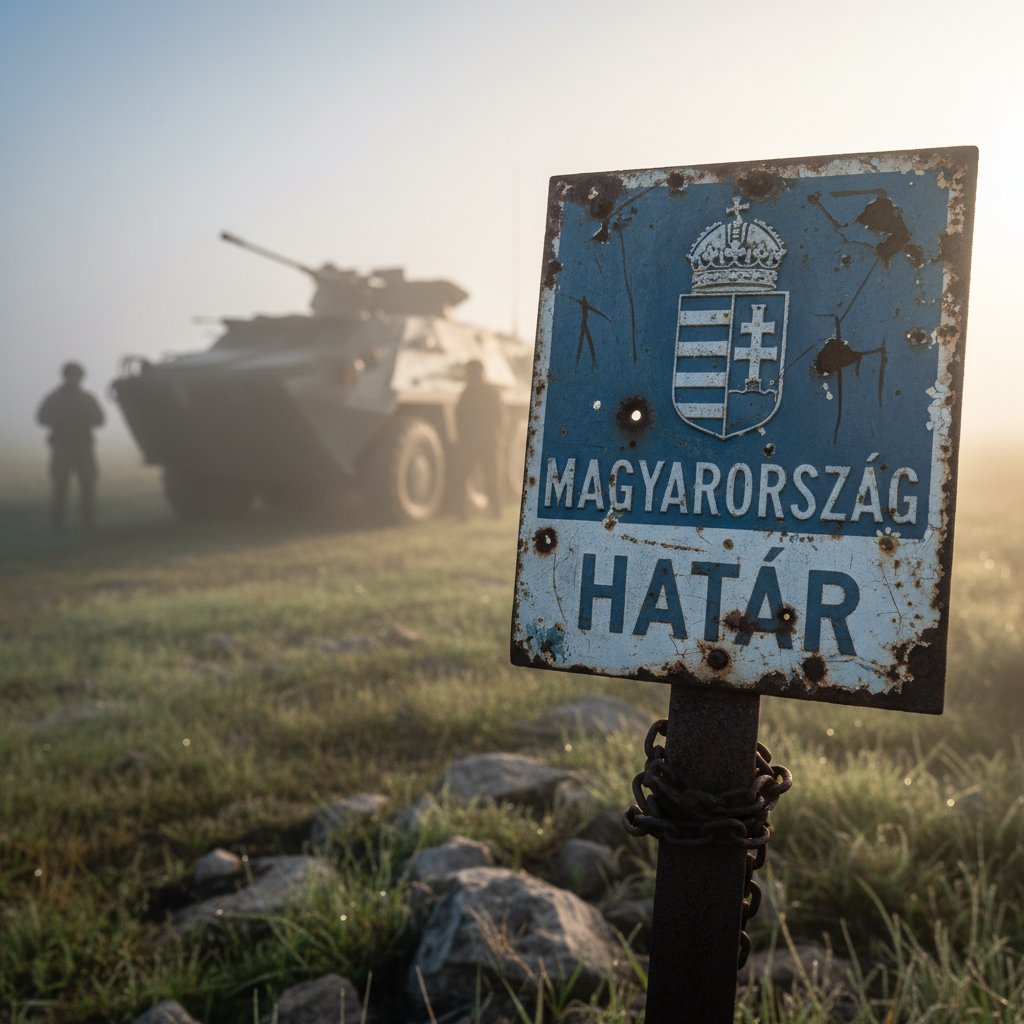
Orbán’s aggressive rhetoric has caused fresh ripples of concern within NATO and the European Union. Hungary remains the primary holdout on several key security initiatives, and the intensification of anti-Ukraine sentiment suggests that diplomatic relations will likely remain strained throughout the election season. For the West, a Hungary that is increasingly hostile toward Kyiv presents a significant hurdle for regional stability and collective defense efforts.
As the election draws nearer, the effectiveness of Orbán’s gamble remains to be seen. While the fear-based campaign resonates with a segment of the rural population, urban centers appear increasingly resistant to the rhetoric. The outcome will likely depend on whether the Hungarian electorate prioritizes the perceived threat of external conflict over the immediate reality of their thinning wallets.
Key Factors in the 2026 Hungarian Election
| Factor | Government Position | Opposition Position | | :--- | :--- | :--- | | Ukraine Conflict | Threat to national safety; advocates for "peace." | Calls for solidarity with allies and territorial integrity. | | EU Relations | Defensive; claims "sovereignty" is under attack. | Seeks to unlock funds through democratic reforms. | | Economy | Blames war and sanctions for inflation. | Blames corruption and fiscal mismanagement. | | Media Access | Dominates state and private outlets. | Relies on social media and independent grassroots. |
The coming months will test the limits of populist messaging in a country grappling with the complexities of 21st-century geopolitics and economic integration. For Viktor Orbán, the stakes have never been higher, and the path to victory has never been more contentious.