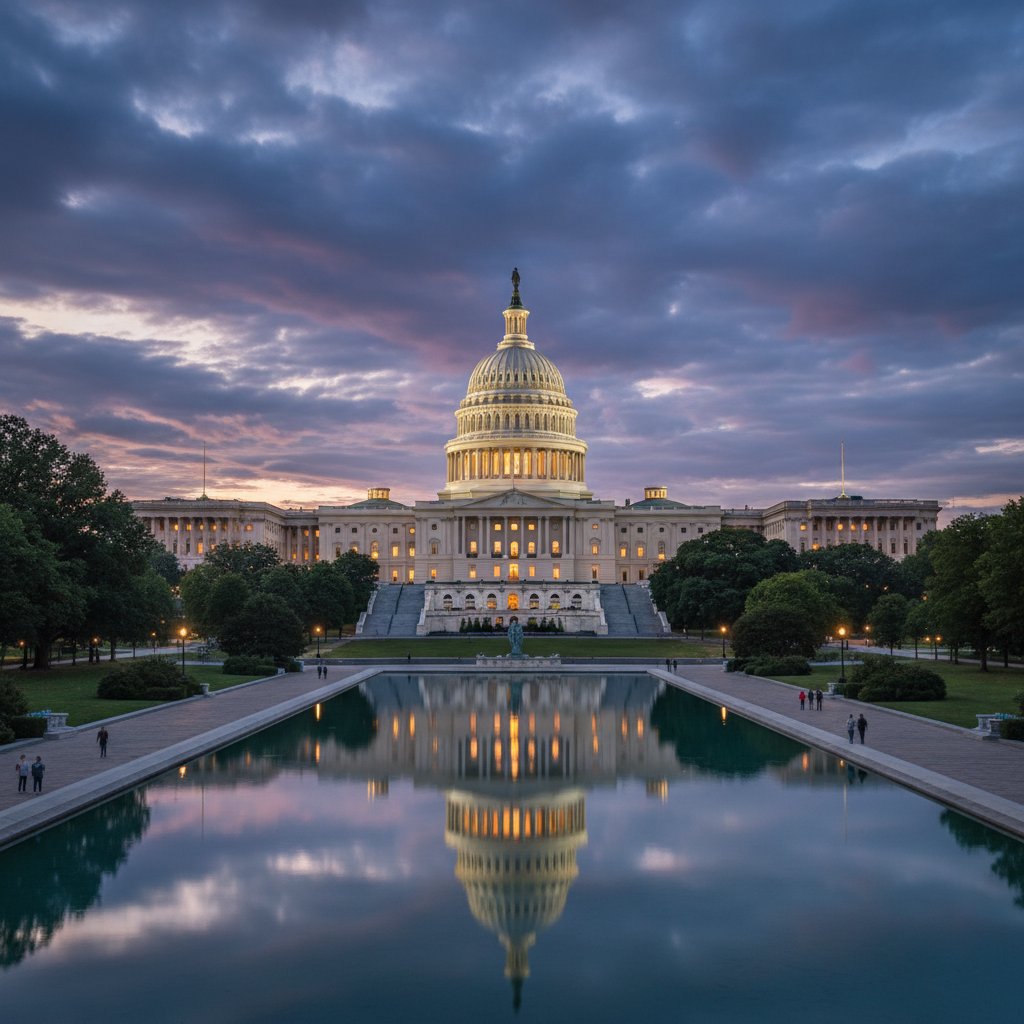
The legislative stalemate that has left the Department of Homeland Security (DHS) in a state of partial shutdown saw its first major movement in days on Monday. Democratic leadership delivered a formal counteroffer to the White House and Republican negotiators, proposing a significant overhaul of Immigration and Customs Enforcement (ICE) operations as a condition for restoring full department funding.
The proposal comes as the shutdown enters its second week, leaving tens of thousands of essential personnel—including Border Patrol agents, TSA officers, and Coast Guard members—working without immediate pay. The core of the dispute remains the balance between border security enforcement and humanitarian oversight, a perennial flashpoint that has now frozen the budget of one of the nation’s largest federal departments.
The Legislative Impasse
The current funding gap was triggered when a temporary spending measure expired earlier this month. Republicans have insisted on strict "Remain in Mexico" protocols and increased detention bed mandates as a prerequisite for any new funding. Democrats, conversely, have pushed for a pivot toward electronic monitoring and more rigorous oversight of detention conditions.
According to sources familiar with the negotiations, the Monday counteroffer represents a tactical shift. Rather than flatly rejecting Republican enforcement demands, the Democratic plan proposes a "tiered enforcement" model. This model would prioritize the deportation of individuals with serious criminal records while providing temporary legal status pathways for non-violent migrants currently in the system.
Inside the Democratic Counteroffer
The 45-page document delivered to the White House on Monday afternoon focuses heavily on the structural reform of ICE. Key pillars of the proposal include:
- Reduction in Detention Quotas: A phased reduction in the minimum number of daily detention beds, replaced by "Alternatives to Detention" (ATD) programs such as GPS monitoring and case management.
- Enhanced Oversight: The creation of an independent ombudsman's office with the authority to conduct unannounced inspections of ICE facilities.
- Targeted Enforcement: Specific language narrowing the scope of civil immigration arrests to focus primarily on public safety and national security threats.
A senior Democratic aide, speaking on condition of anonymity, stated that the offer "provides the security the GOP claims to want while ensuring the department operates within the bounds of humanitarian standards."
Operational Strain at the Border and Beyond
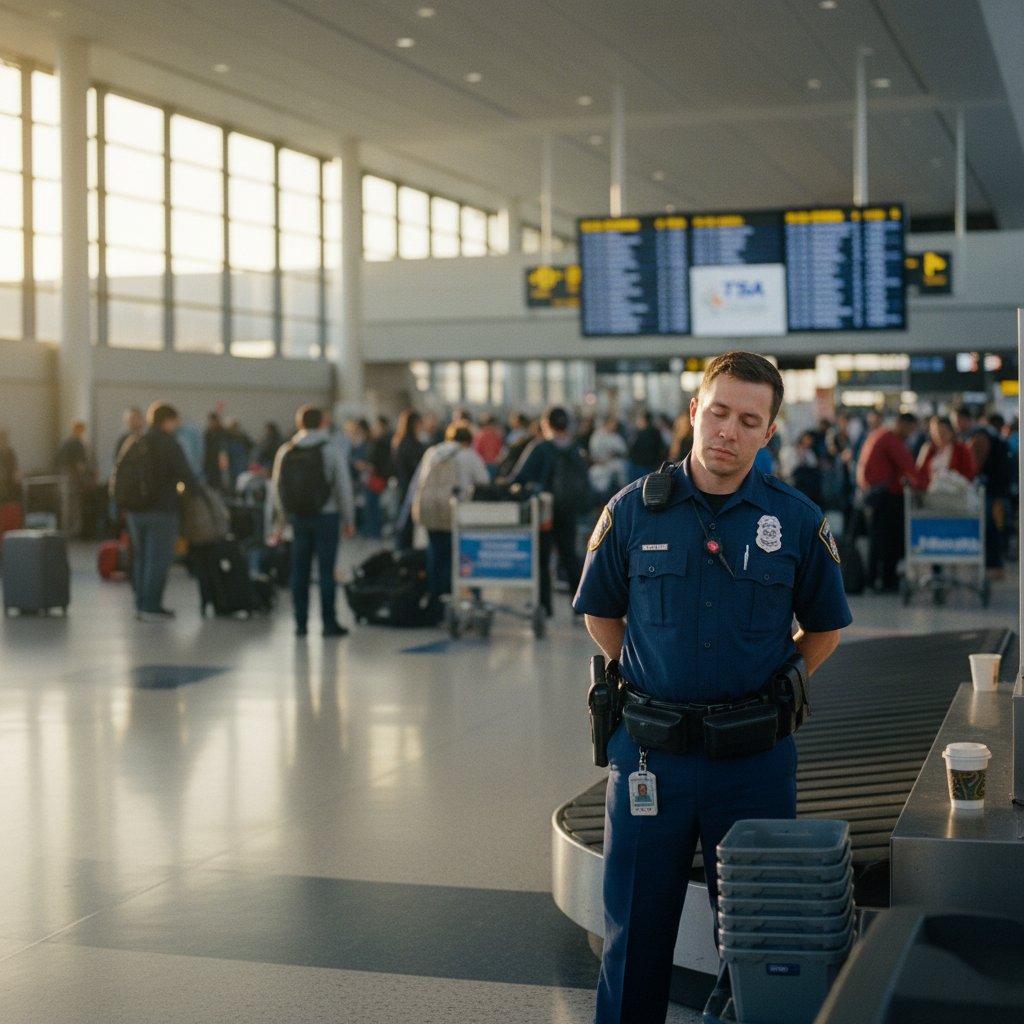
The impact of the DHS shutdown is being felt most acutely at the nation’s ports of entry and airports. While "essential" workers are required to report for duty, the lack of administrative and support staff has led to significant delays.
The following table outlines the current operational status of key DHS agencies:
| Agency | Status | Impact Level |
|---|---|---|
| TSA | Operational (Unpaid) | Moderate Delays at Checkpoints |
| CBP (Border Patrol) | Operational (Unpaid) | Critical Staffing Shortages |
| FEMA | Partial Shutdown | Disaster Prep Paused |
| U.S. Coast Guard | Operational (Unpaid) | Maintenance Backlogs |

GOP Reception and Future Outlook
Early indications suggest the Republican response to the counteroffer is cautious. Speaking to reporters on Tuesday morning, House Republican leadership characterized the proposal as "a step in the right direction" but expressed concern that it did not go far enough in securing the southern border.
"We are reviewing the language regarding enforcement priorities," a spokesperson for the House Appropriations Committee said. "Our priority remains a secure border and the full enforcement of existing law. Any deal that weakens our ability to detain those who enter illegally is going to be a hard sell."
The White House has remained largely neutral, with the Press Secretary stating that the President is "encouraged by the active dialogue" and remains ready to sign a bipartisan agreement that "secures the border and treats people with dignity."
FAQ: The DHS Shutdown Explained
Why does a DHS shutdown happen? A shutdown occurs when Congress fails to pass an appropriations bill or a continuing resolution to fund the department. In this case, the disagreement centers specifically on the policy direction of ICE.
Are borders currently open? No. Border Patrol and Customs officers are considered essential personnel and remain at their posts, though they are not receiving paychecks during the shutdown.
What happens next? Republican leadership is expected to deliver a formal response to the Democratic counteroffer by Wednesday evening. If an agreement is reached, a vote could occur in the House as early as Friday.
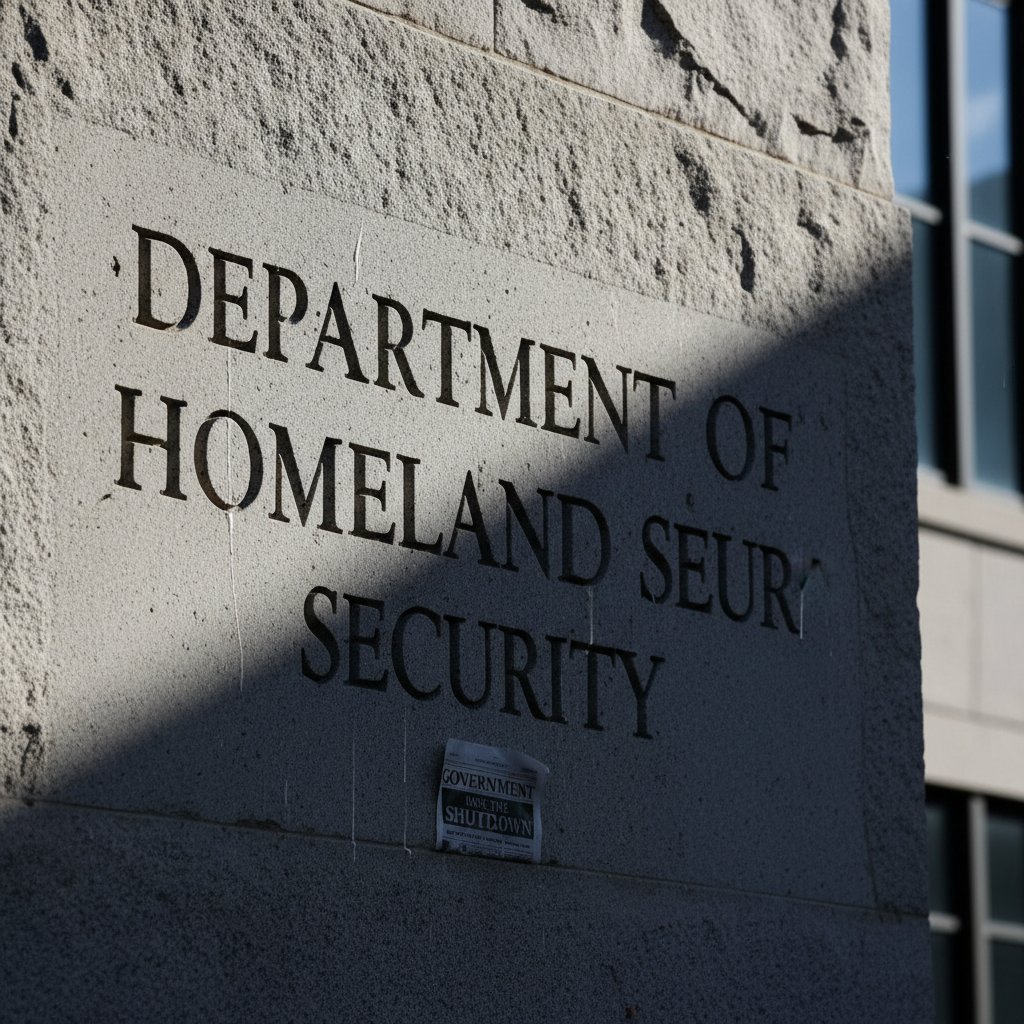
As the political maneuvering continues in Washington, the human cost of the impasse grows. For the nearly 240,000 employees of the DHS, the uncertainty of the coming weeks remains a heavy burden, even as they continue to perform critical national security functions.