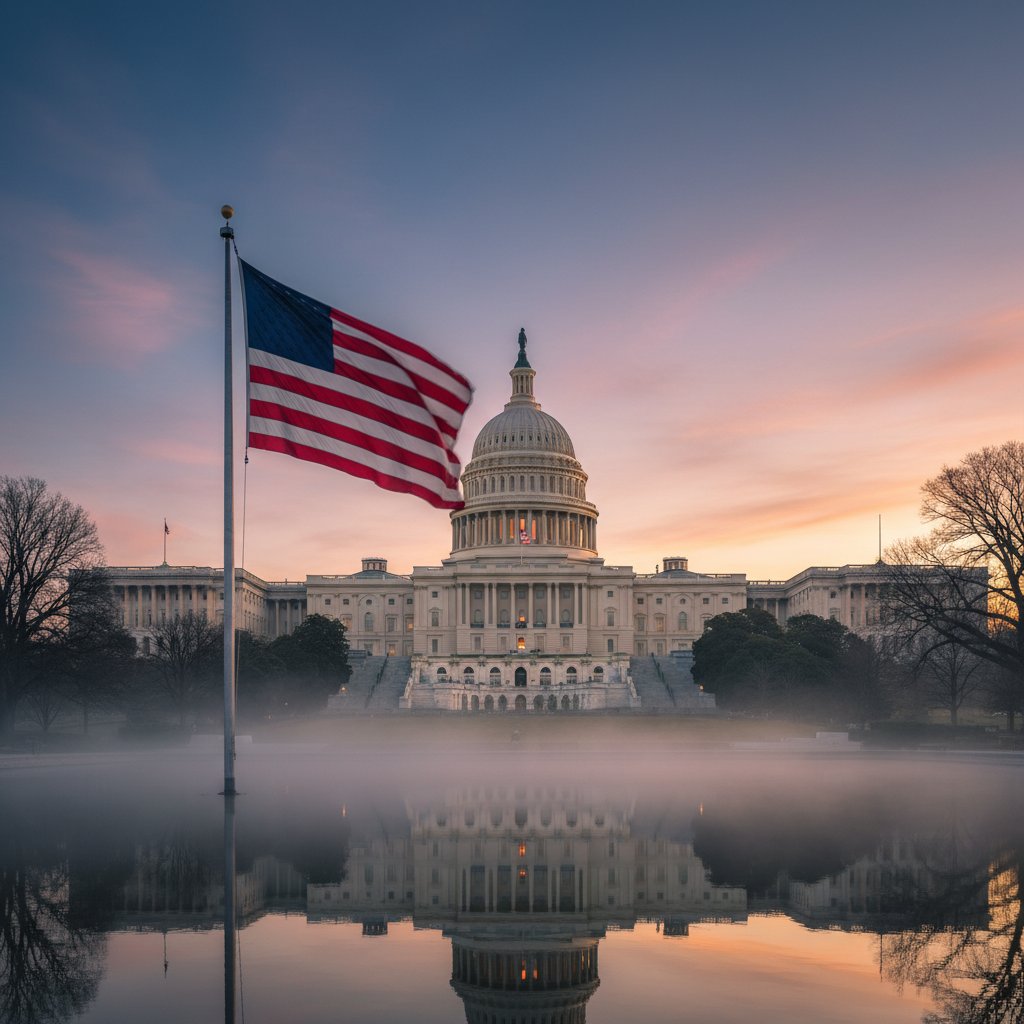
White House border czar Tom Homan confirmed on Sunday that the federal government has initiated a significant reduction in immigration enforcement personnel within the Minneapolis-St. Paul metropolitan area. The move marks the beginning of the end for one of the administration’s most intensive interior enforcement surges to date.
According to Homan, more than 1,000 federal agents have already departed the Twin Cities, with hundreds more scheduled to leave in the coming days. Despite this massive withdrawal, Homan clarified that the region will not be entirely vacated by federal authorities, noting that a "small" security force will remain stationed in the area to maintain "operational continuity."
The Logistics of the Drawdown
The surge, which began several months ago, saw a saturation of federal agents from various agencies, including Immigration and Customs Enforcement (ICE) and Customs and Border Protection (CBP), deployed to Minnesota. The objective was to execute high-visibility enforcement operations and increase the rate of administrative arrests.
Homan’s announcement indicates that the administration believes the primary goals of the saturation phase have been met. The transition from a large-scale presence to a smaller, more permanent force suggests a shift toward a "maintenance" posture. This remaining contingent is expected to focus on high-priority targets and the processing of individuals already in the system, rather than the broad sweeps that characterized the surge’s peak.
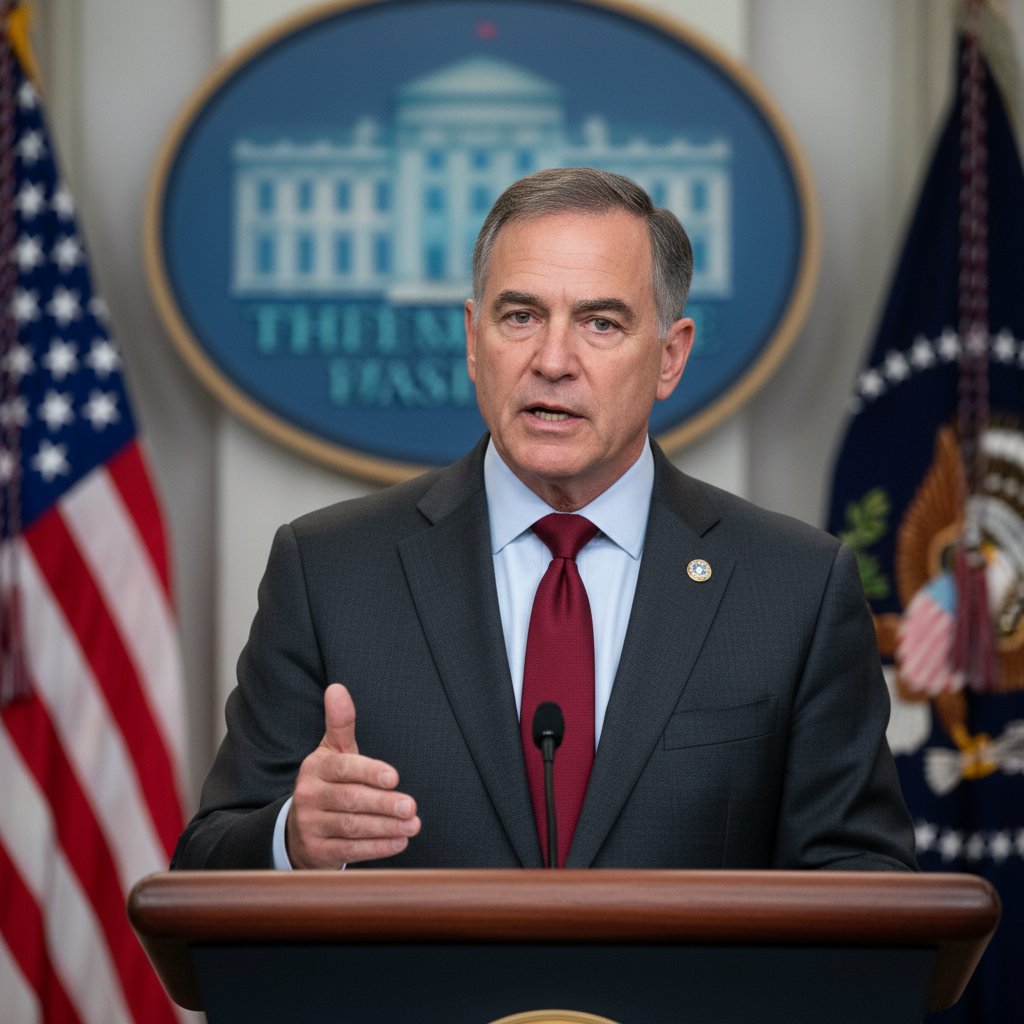
Political and Social Context of the Surge
The Twin Cities area has long been a focal point of the national debate over immigration policy. As a region with a significant foreign-born population and several "sanctuary" jurisdictions, the federal surge was met with both staunch support from administration allies and vigorous opposition from local officials and advocacy groups.
Critics of the surge argued that the heavy federal presence disrupted local economies and sowed fear within immigrant communities, leading to a "chilling effect" on public life. Conversely, proponents maintained that the surge was a necessary application of federal law intended to address visa overstays and criminal deportations that had been previously deprioritized.
The decision to withdraw the bulk of the force comes at a time when the administration is re-evaluating its resource allocation across the northern border and interior United States. Analysts suggest that the high cost of maintaining thousands of agents in temporary housing and the logistical strain on federal budgets may have influenced the timing of the drawdown.
Impact on the Twin Cities Community
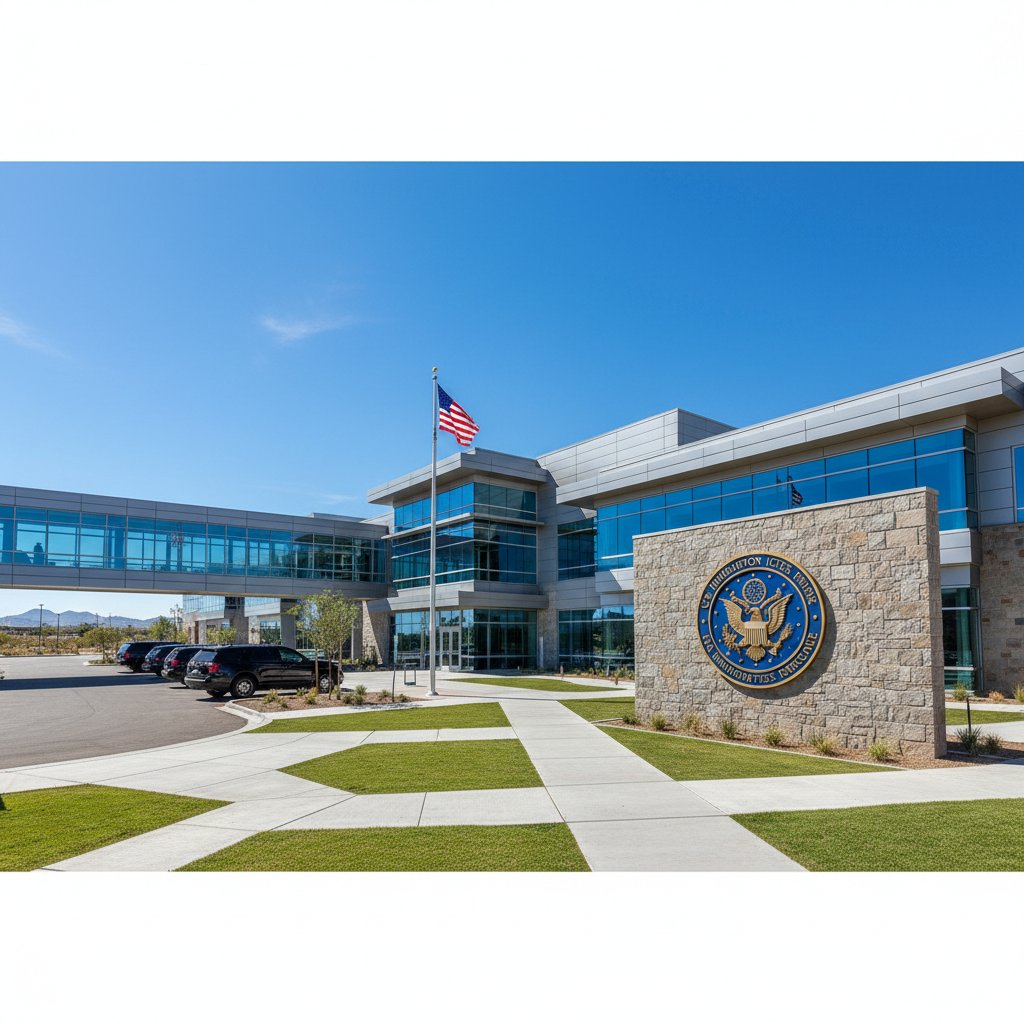
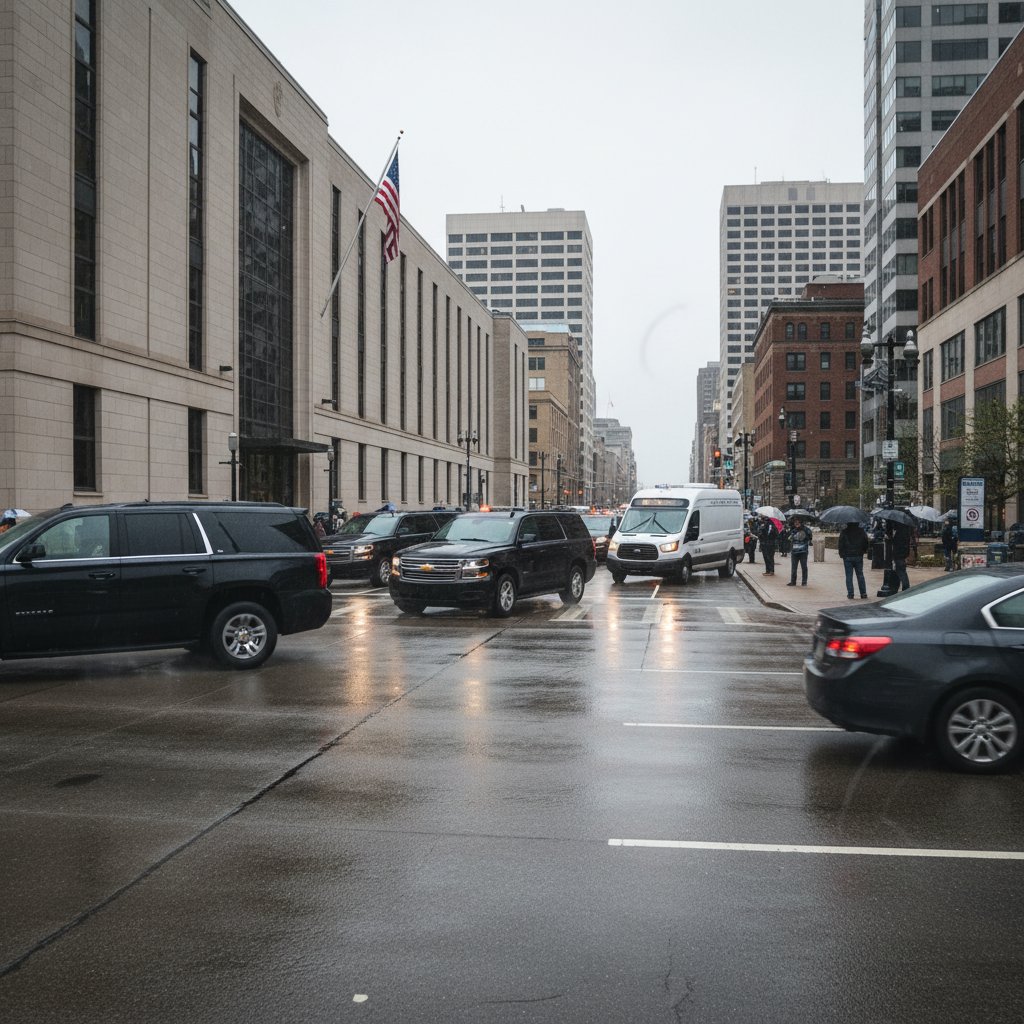
For residents of the Twin Cities, the departure of over 1,000 agents represents a visible change in the local landscape. During the height of the surge, residents reported frequent sightings of federal vehicles and increased activity around government buildings.
Community leaders have expressed a mixture of relief and lingering concern. While the reduction in personnel may lower the immediate frequency of enforcement actions, the presence of a "small" security force ensures that federal oversight remains a reality. Legal aid organizations have noted that their caseloads remain at historic highs, as the legal ramifications of the surge continue to work their way through the immigration court system.
Defining the "Small Security Force"
The White House has not yet provided specific numbers regarding the size of the residual force. In federal enforcement terms, a "small" force typically refers to a specialized unit tasked with intelligence gathering, inter-agency coordination, and the execution of specific warrants rather than general patrol or saturation duties.
Key Roles of the Residual Force:
- Targeted Enforcement: Executing warrants for individuals with prior criminal convictions or those deemed a national security threat.
- Case Processing: Managing the administrative backlog generated during the surge.
- Inter-Agency Liaison: Maintaining communication with local law enforcement agencies that cooperate with federal detainer requests.
The Broader National Strategy
The drawdown in Minnesota is being closely watched by other metropolitan areas that have experienced similar surges. It remains unclear if this withdrawal is a localized event or the first step in a broader national trend of de-escalating interior saturation in favor of more surgical, intelligence-led operations.
Homan’s statements suggest that the administration remains committed to its core immigration objectives but is willing to adjust its tactical footprint based on perceived needs and resource availability. As the agents return to their home stations or are redeployed to other sectors, the long-term impact of the Minnesota surge on federal immigration policy continues to be a subject of intense scrutiny in Washington.
Frequently Asked Questions
What was the primary goal of the Minnesota surge?
The surge was designed to increase federal enforcement presence in the Twin Cities, focusing on the apprehension of undocumented individuals and the visible enforcement of federal immigration statutes in a region with high non-compliance rates.
Why is the drawdown happening now?
The administration states that the primary objectives of the high-intensity phase have been achieved. Financial and logistical considerations regarding the maintenance of a large, temporary force also likely played a role in the decision to scale back.
Will the "small" force continue to conduct arrests?
Yes. While the scale of operations will decrease, the remaining agents will continue to execute targeted enforcement actions and process ongoing cases within the region.