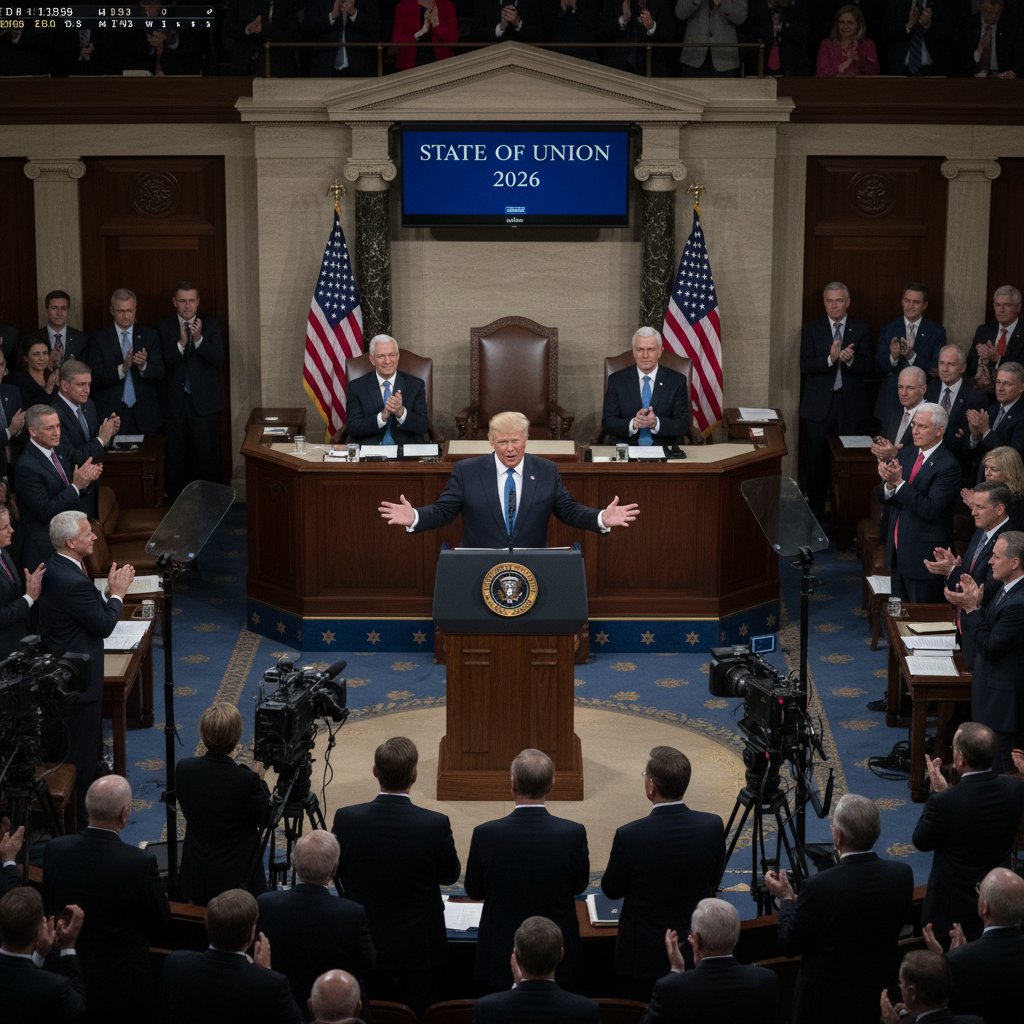
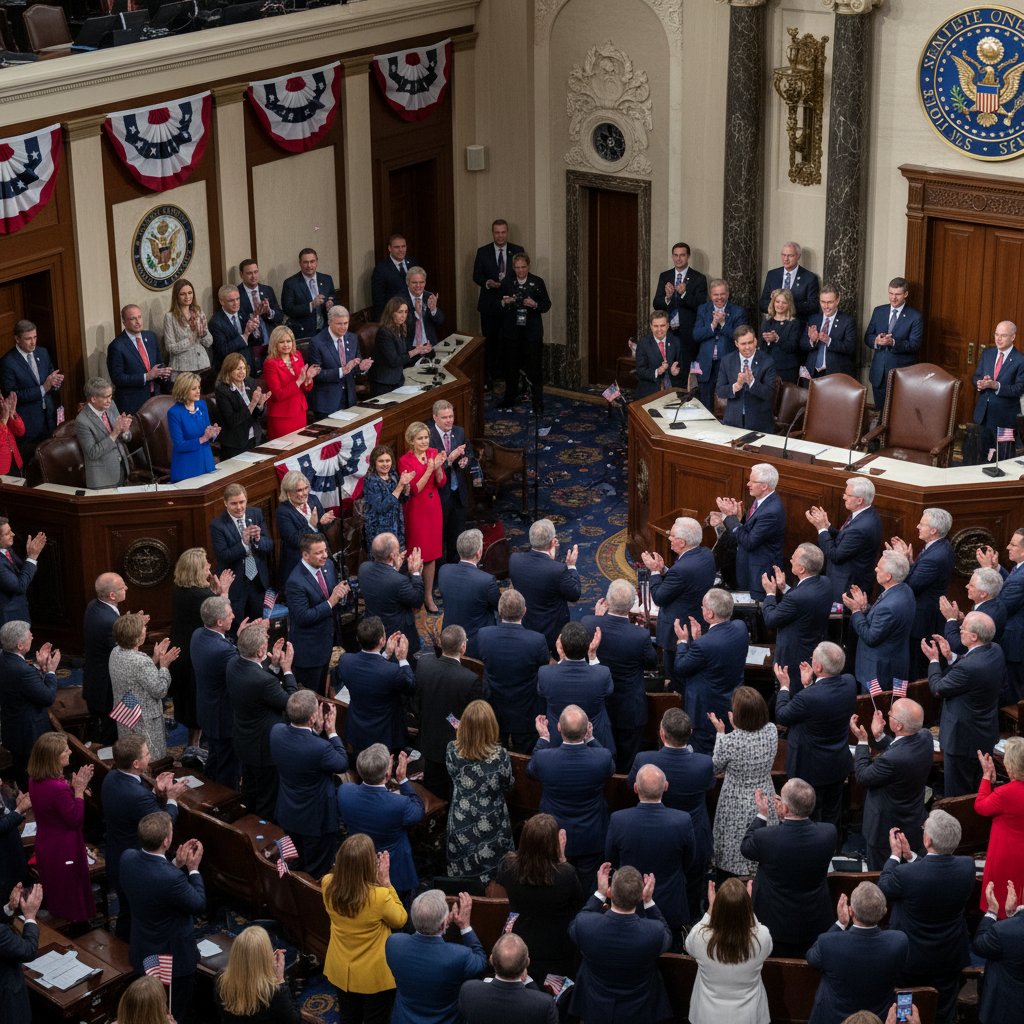
In a Tuesday night address defined by both political tension and moments of profound solemnity, President Donald Trump utilized the 2026 State of the Union to honor several U.S. service members and a prominent Olympic athlete. The presentation of awards, including the Purple Heart and the Congressional Medal of Honor, served as the emotional centerpiece of an evening otherwise dominated by discussions on the economy and border security.
The ceremony within the House Chamber followed a long-standing tradition of presidents using the "heroes in the gallery" to illustrate national values. However, the scale of the awards bestowed this year—ranging from the Legion of Merit to the Presidential Medal of Freedom—marked a significant expansion of the practice, drawing both praise for the recognition of service and analysis regarding the strategic timing of the honors.
A Rare Congressional Medal of Honor Presentation
The atmosphere in the Capitol reached a crescendo when President Trump paused his legislative agenda to recognize a member of the U.S. Special Operations Forces. Awarding the Congressional Medal of Honor during a State of the Union is an exceedingly rare occurrence, usually reserved for ceremonies at the White House. The recipient, cited for "conspicuous gallantry and intrepidity at the risk of life above and beyond the call of duty," received a sustained standing ovation from both sides of the aisle.
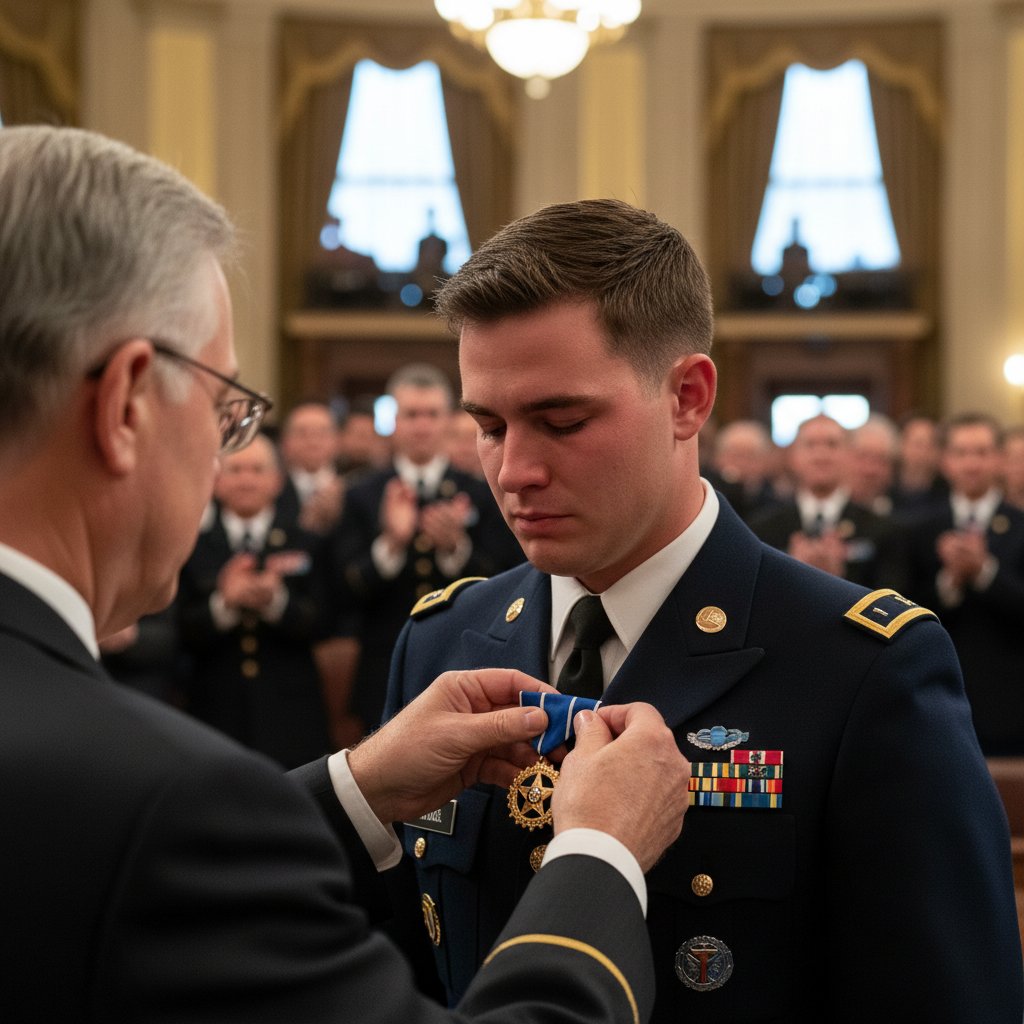
According to military analysts, the decision to present this specific award in front of a joint session of Congress underscores the administration’s focus on military readiness and the "Peace through Strength" doctrine. The recipient’s actions, which took place during a classified operation in the preceding year, were described by the President as the "very definition of American courage."
Honoring Sacrifice with the Purple Heart
The President also recognized two service members with the Purple Heart, the oldest military award still given to U.S. military members. These individuals, who were wounded in the line of duty during recent deployments, stood in the First Lady’s box as the President detailed their recovery and commitment to the country.
This portion of the speech was designed to bridge the gap between policy and the human cost of national defense. By highlighting the physical sacrifices of the wounded, the administration sought to bolster support for increased defense spending and veteran care initiatives currently stalled in committee. The presence of the recipients served as a stark reminder of the ongoing risks faced by American personnel globally.
Expanding the Circle of Excellence
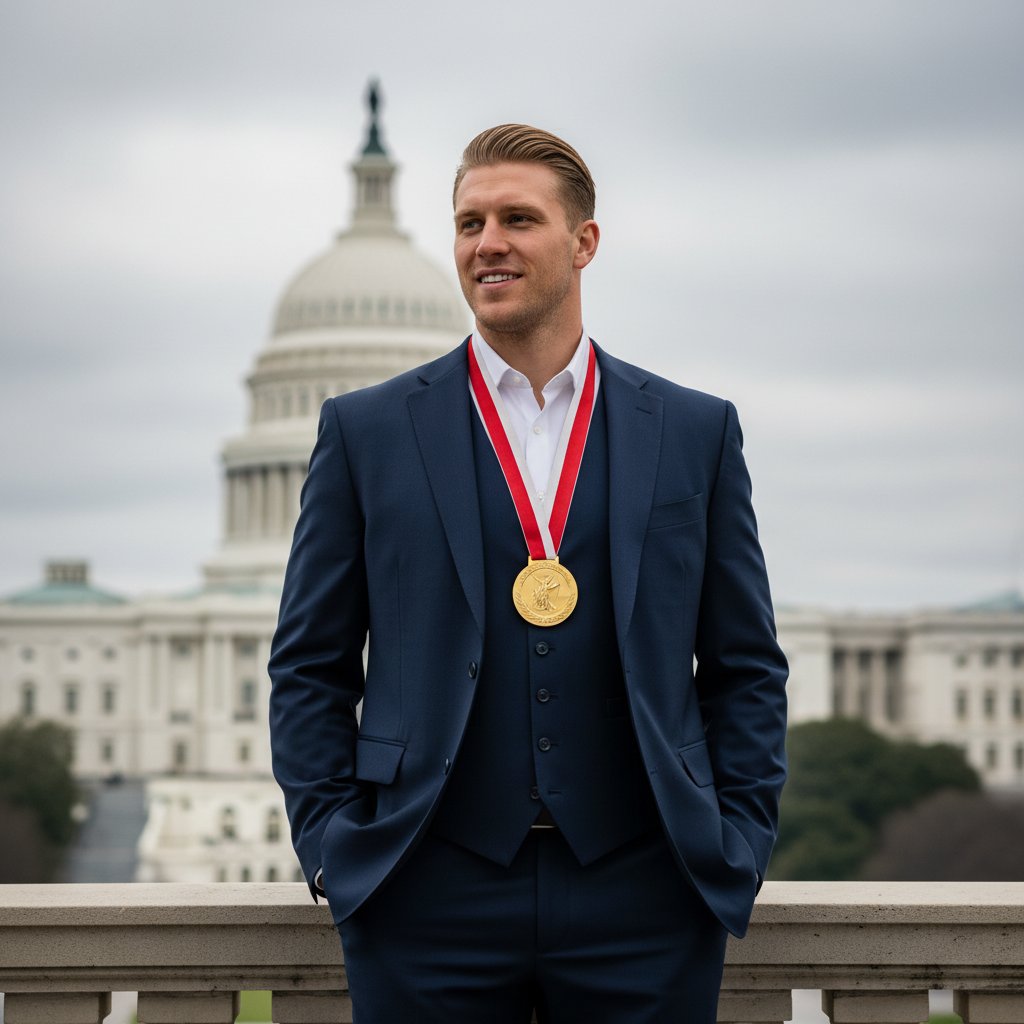
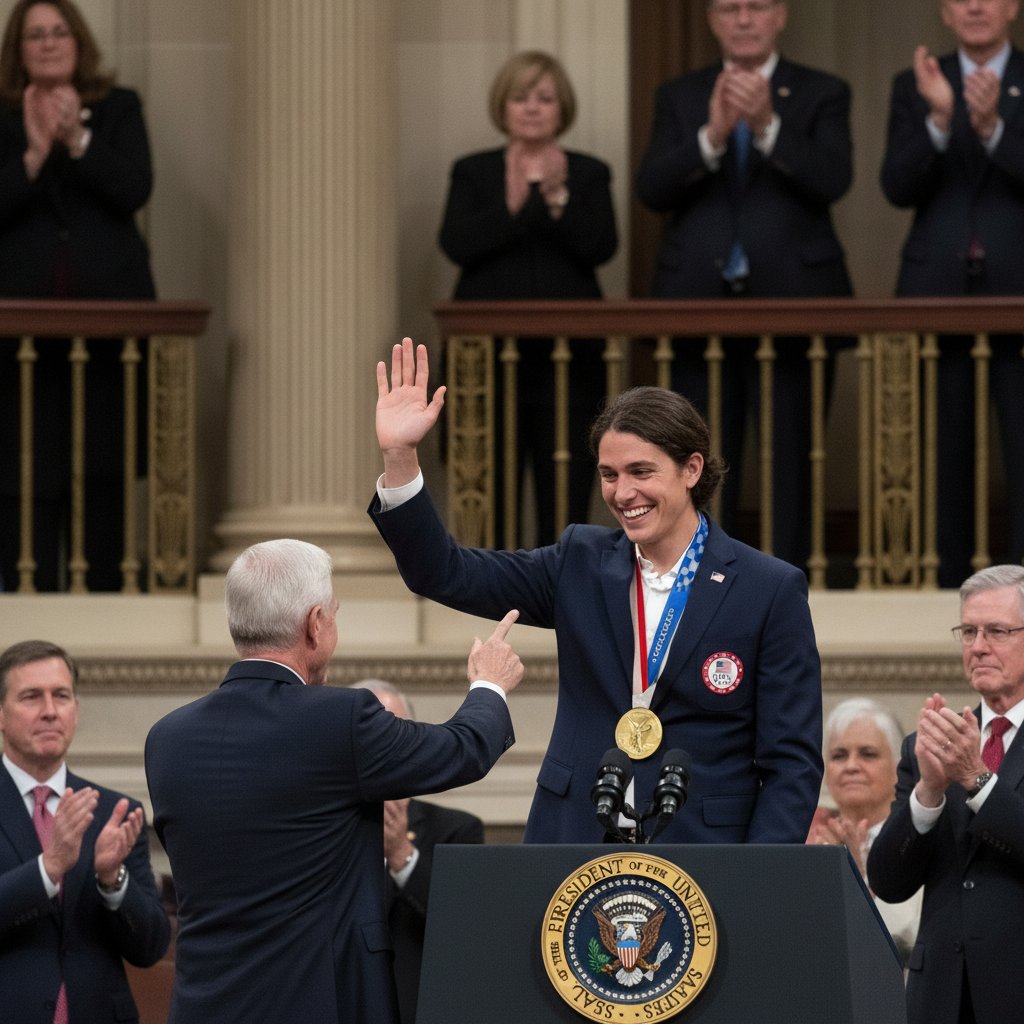
Beyond the military honors, the President bestowed the Legion of Merit upon a high-ranking officer and surprised an Olympic gold medalist with the Presidential Medal of Freedom. The inclusion of an athlete in the evening’s honors was framed as a celebration of "American exceptionalism."
The athlete, who broke several world records during the previous year’s international competitions, was lauded not just for their physical prowess but for their role as a "symbol of national unity." Critics noted that while the inclusion of a sports figure provided a lighter moment in a heavy policy speech, it also served to broaden the appeal of the address to a wider, non-political audience.
The Strategy Behind the Ceremony
Political commentators have noted that the presentation of these awards serves a dual purpose. On one hand, it provides a rare moment of bipartisan unity in a highly polarized Washington. On the other, it allows the executive branch to define the narrative of American identity through the selection of specific heroes.
"The State of the Union is as much a television production as it is a constitutional requirement," said one senior political analyst. "By filling the gallery with decorated heroes, the President effectively dares his detractors to remain seated or silent, creating powerful optics that resonate far beyond the Beltway."
Looking Ahead: Legislative Impact
While the awards provided the evening's most memorable images, the legislative impact of the honors remains to be seen. The President concluded the ceremony by calling on Congress to pass a comprehensive veteran’s benefits package, citing the bravery of those in the gallery as the impetus for action.
As the 2026 legislative session moves forward, the stories of these service members will likely be cited in debates regarding the budget and foreign policy. For the recipients, the night was a historic recognition of their service; for the nation, it was a display of the enduring power of ceremonial recognition in American politics.