A former instructor for U.S. Immigration and Customs Enforcement (ICE) has raised a formal alarm regarding the quality of training provided to new recruits. According to internal documents submitted to Congress and first reported by CBS News, the agency has allegedly removed or significantly truncated critical use-of-force courses to facilitate a rapid expansion of its workforce. The whistleblower warns that these "defective" training protocols could lead to increased liability, officer injury, and civil rights violations.
The allegations come at a pivotal moment for the Department of Homeland Security (DHS), which has been under intense pressure to scale up enforcement operations. As the agency moves to put more boots on the ground, the transition from rigorous academic and physical preparation to an accelerated "fast-track" model has sparked internal resistance.
Allegations of Gutted Use-of-Force Curriculum
The whistleblower, a former ICE instructor responsible for educating new officers on the legal and physical applications of force, provided evidence suggesting that several key modules have been entirely excised from the training calendar. Traditionally, these courses cover de-escalation tactics, the legal framework for using non-lethal and lethal force, and the physical techniques required to subdue suspects safely.
According to the documents, the push to reduce training time is a direct result of ambitious hiring quotas. By shortening the duration of the academy, the agency can graduate larger classes in a fraction of the time. However, the whistleblower contends that this "quantity over quality" approach leaves new officers unprepared for the complexities of fieldwork.

"We are sending recruits into high-tension environments without the muscle memory or the legal grounding to make split-second decisions," the whistleblower stated in a memo to congressional oversight committees. "The training is no longer comprehensive; it is defective."
The Pressure of Rapid Scaling
The push to expand ICE’s ranks is tied to broader shifts in federal immigration policy. With an increased focus on interior enforcement and border security, the demand for sworn officers has outpaced the capacity of traditional training facilities. In response, the agency has reportedly looked for ways to streamline the onboarding process.
Critics argue that cutting corners in training is a short-sighted strategy. Law enforcement experts note that use-of-force training is the most critical component of an officer's education, as it governs the most sensitive interactions between the state and the public.
"Use-of-force isn't just about how to use a baton or a firearm," said Marcus Thorne, a retired federal law enforcement consultant. "It's about understanding the Fourth Amendment, recognizing when to de-escalate, and knowing how to protect yourself and the individual in custody. If you remove those courses, you aren't just failing the recruits; you are failing the public."
Legal and Safety Implications
The potential consequences of inadequate training are manifold. From a legal perspective, "failure to train" is a common and often successful grounds for lawsuits against government agencies. If an officer involved in a use-of-force incident is found to have lacked standard training, the federal government could face millions of dollars in settlements.
Beyond the financial cost, there is a tangible risk to officer safety. Recruits who lack proper defensive tactics training are more likely to be injured during arrests. Conversely, a lack of de-escalation training can lead to the unnecessary escalation of force, resulting in preventable tragedies that erode public trust.
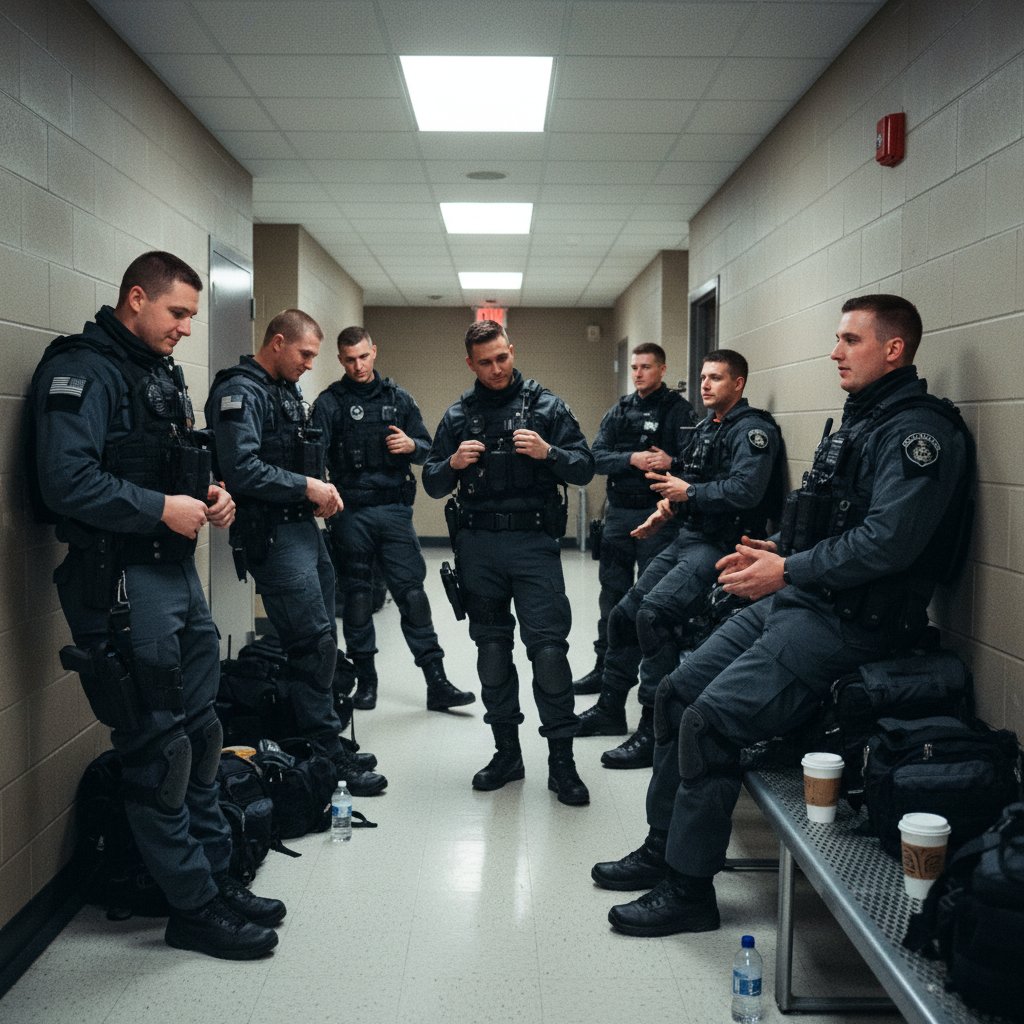
The whistleblower’s report also highlights a lack of oversight in the current training environment. With the curriculum being revised "on the fly," there are concerns that the standard of "qualified immunity" usually afforded to officers could be jeopardized if it is proven that the agency knowingly sent untrained personnel into the field.
Response from Washington
The whistleblower’s disclosures have already prompted calls for an investigation by the House Committee on Homeland Security. Lawmakers from both sides of the aisle have expressed concern, though for different reasons. Some emphasize the risk to officer safety and the integrity of the agency, while others focus on the potential for civil rights abuses.
In a brief statement, a spokesperson for ICE defended the agency’s training standards, asserting that all recruits receive "comprehensive instruction necessary to perform their duties safely and professionally." The agency did not specifically address the documents suggesting the removal of use-of-force modules but maintained that its programs are "continuously updated to reflect current best practices."

As the investigation unfolds, the focus remains on the balance between national security demands and the necessity of a well-trained workforce. For the whistleblower and their supporters, the message is clear: an officer who is not properly trained is a liability to everyone they encounter.
A Growing Trend in Federal Law Enforcement
The issues at ICE reflect a broader trend observed in various federal agencies tasked with rapid growth. When hiring surges occur, the bottleneck is almost always at the training academy. Experts suggest that rather than shortening existing programs, the government should invest in more training infrastructure or utilize decentralized, high-quality satellite training centers.
The outcome of this controversy will likely shape the future of ICE’s hiring practices and could lead to a mandated restoration of the removed curriculum. For now, the latest graduating classes of ICE officers are entering the field under a cloud of scrutiny regarding their readiness for the high-stakes work ahead.