WASHINGTON — House Speaker Mike Johnson has formally declined a request for the late Reverend Jesse Jackson Sr. to lie in honor at the United States Capitol. The decision, reported by sources familiar with the matter on February 20, 2026, has reignited a long-standing debate over the criteria used to grant one of the nation’s highest posthumous tributes to private citizens.
The request was made by supporters and members of Congress following the passing of the iconic civil rights leader and two-time presidential candidate. According to reports from CNN and other major outlets, Speaker Johnson’s office cited "past precedent" regarding how the deaths of high-profile figures have been handled in the history of the Capitol Rotunda.
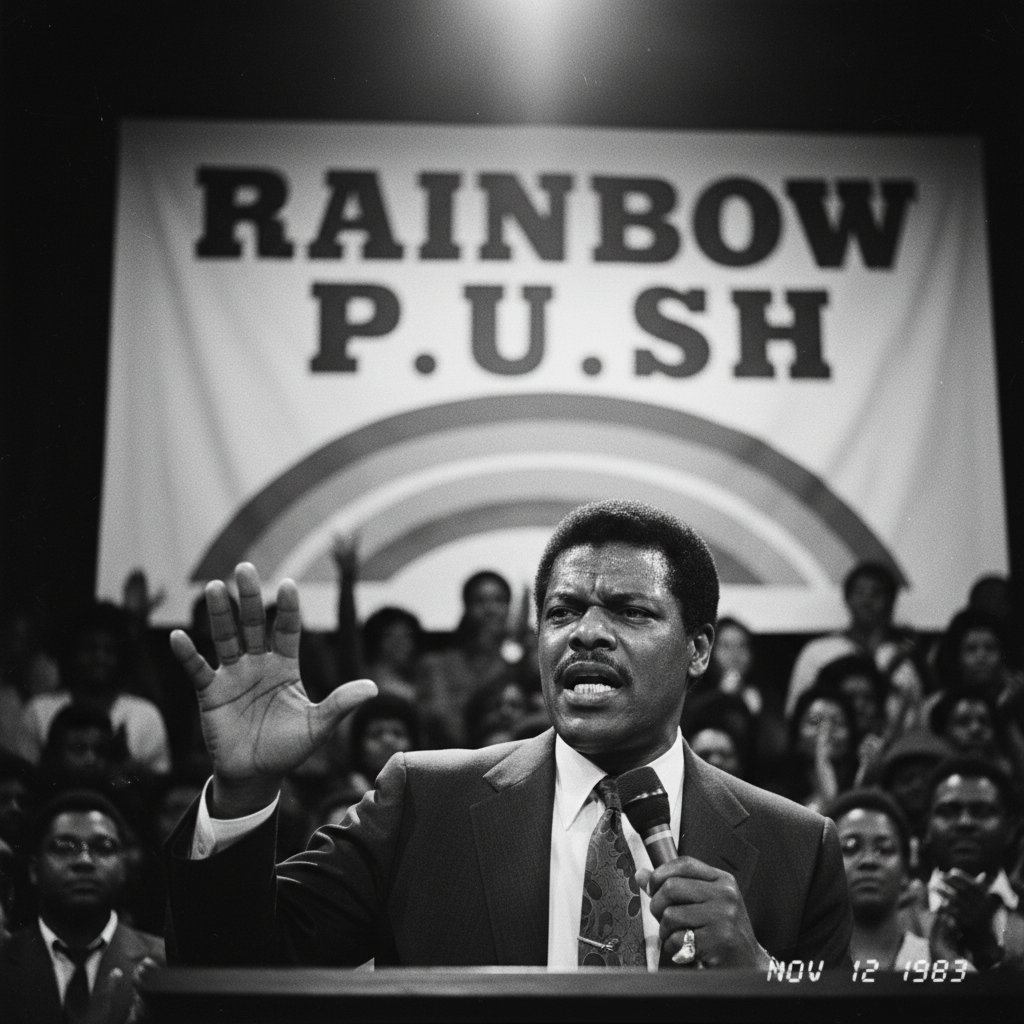
Understanding 'Lying in Honor' vs. 'Lying in State'
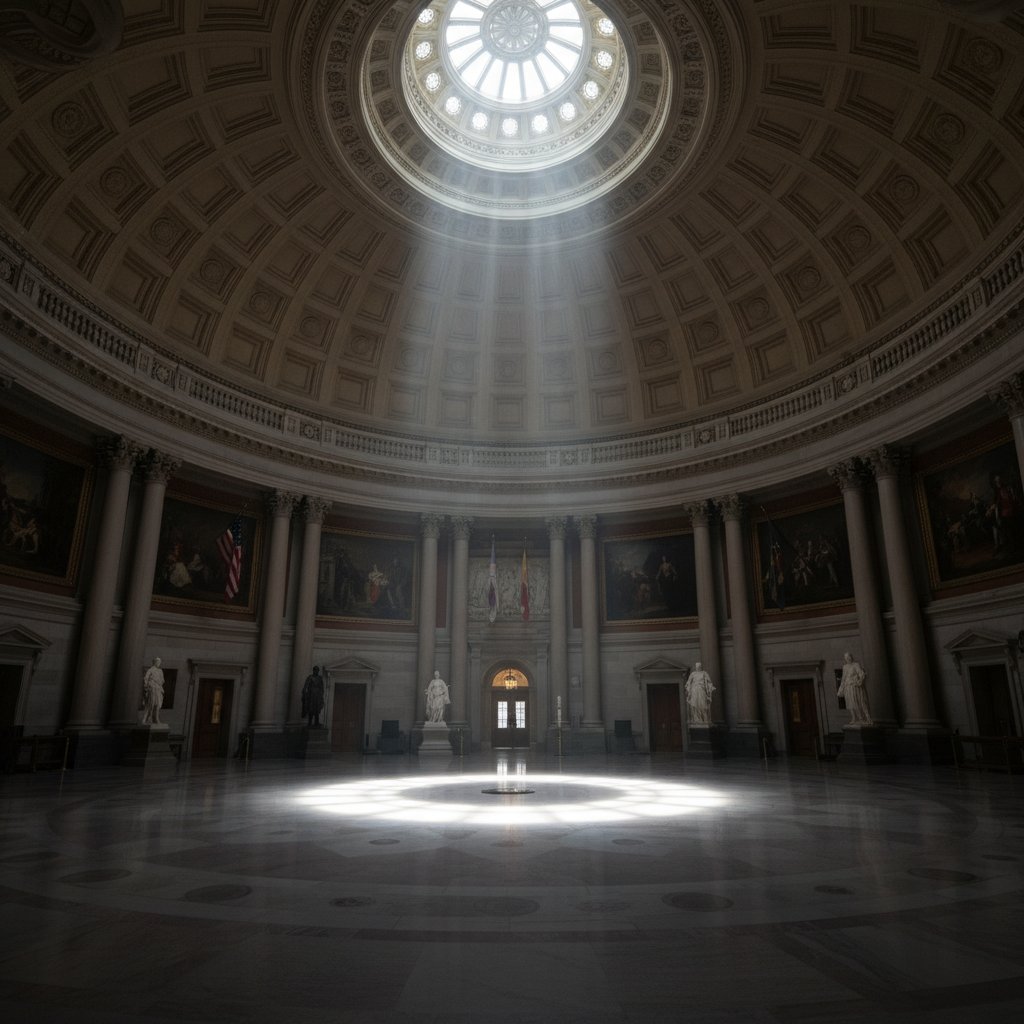
The distinction between these two tributes is central to the Speaker’s decision. While both ceremonies involve a casket being placed in the Capitol Rotunda for public viewing, the eligibility requirements differ significantly:
- Lying in State: This honor is traditionally reserved for government officials, military leaders, and elected representatives. Examples include presidents like John F. Kennedy and Ronald Reagan, as well as notable senators.
- Lying in Honor: This is a separate designation created for private citizens. Since its inception, this honor has been granted sparingly. Notable recipients include civil rights icon Rosa Parks (2005), evangelist Billy Graham (2018), and Capitol Police officers who died in the line of duty.
Speaker Johnson’s office suggested that while Jackson was undoubtedly a figure of historical significance, his career did not align with the specific internal guidelines currently held by the House leadership for Rotunda honors.
A Legacy of Civil Rights and Political Ambition
Jesse Jackson Sr. was a titan of the American civil rights movement. A close associate of Dr. Martin Luther King Jr., Jackson was present at the Lorraine Motel during King’s assassination in 1968. He went on to found the Rainbow PUSH Coalition and broke significant barriers in American politics.
In 1984 and 1988, Jackson mounted formidable campaigns for the Democratic presidential nomination. His "Rainbow Coalition" sought to unite marginalized groups across racial and economic lines, paving the way for future generations of diverse political leaders. His supporters argue that this impact on the American democratic fabric warrants the highest possible recognition from the federal government.
The Precedent Debate
Critics of the Speaker's decision point to recent instances where the honor was granted to individuals with varying backgrounds. In 2022, Hershel "Woody" Williams, the last surviving World War II Medal of Honor recipient, lay in honor. In 2021, the honor was bestowed upon Capitol Police Officer Brian Sicknick and Officer William "Billy" Evans following the events of January 6 and a subsequent vehicle attack.
Those supporting the Speaker’s decision argue that the honor must remain rare to maintain its significance. They contend that if every influential activist or political figure were granted a Rotunda ceremony, the tradition would lose its unique standing as a "rare and exceptional" tribute reserved for those who served the state directly or died in its defense.
Political Reactions and Next Steps
The denial has met with a mix of disappointment and criticism from members of the Congressional Black Caucus (CBC) and Democratic leadership. Some lawmakers have characterized the decision as a missed opportunity to honor a man who dedicated six decades to the expansion of American voting rights and social justice.
"Reverend Jackson was a drum major for justice who transformed the American political landscape," said one senior Democratic aide, speaking on the condition of anonymity. "The Capitol is the 'People’s House,' and the people should have had the chance to say goodbye to a man who did so much to make that House more inclusive."
While the Capitol ceremony will not take place, plans are underway for a series of high-profile memorial services in Chicago and South Carolina. These services are expected to draw international dignitaries and thousands of mourners, reflecting the global reach of Jackson’s activism.
Conclusion
The controversy highlights the tension between political tradition and the evolving recognition of historical figures. As the nation prepares to lay Jesse Jackson Sr. to rest, the debate over who "belongs" in the Capitol Rotunda serves as a reminder of the ongoing struggle to define American greatness in the 21st century.