Washington D.C., 2025-11-11 — The Trump administration has issued a stark directive to states, ordering them to "immediately undo" any measures taken to disburse early Supplemental Nutrition Assistance Program (SNAP) benefits for November. The mandate, communicated late Saturday, has sent ripples of concern through state governments and advocacy organizations, highlighting potential disruptions for millions of low-income families nationwide who rely on the program for food assistance.
The abrupt order targets states that had proactively moved to provide November's SNAP benefits ahead of schedule, a common practice aimed at easing the financial burden on recipients and preventing potential administrative backlogs. This directive is expected to create significant administrative challenges for state welfare departments and could lead to confusion and hardship for beneficiaries.
The Directive: What Happened
According to sources familiar with the order, the Trump administration conveyed its instruction to state agencies overseeing SNAP benefits on Saturday. The directive explicitly demands that any early distributions of November 2025 benefits be reversed. While the administration has not publicly detailed its reasoning, such actions typically stem from interpretations of federal regulations concerning the timing and allocation of federal funds, often citing the need for strict adherence to monthly disbursement schedules.
Many states had opted for early benefit distribution to provide a buffer for families, particularly in anticipation of potential delays or to align with other state-level assistance programs. The reversal mandate means states now face the complex task of clawing back funds or adjusting future allocations, which could prove logistically difficult and politically contentious.

Impact on Vulnerable Families
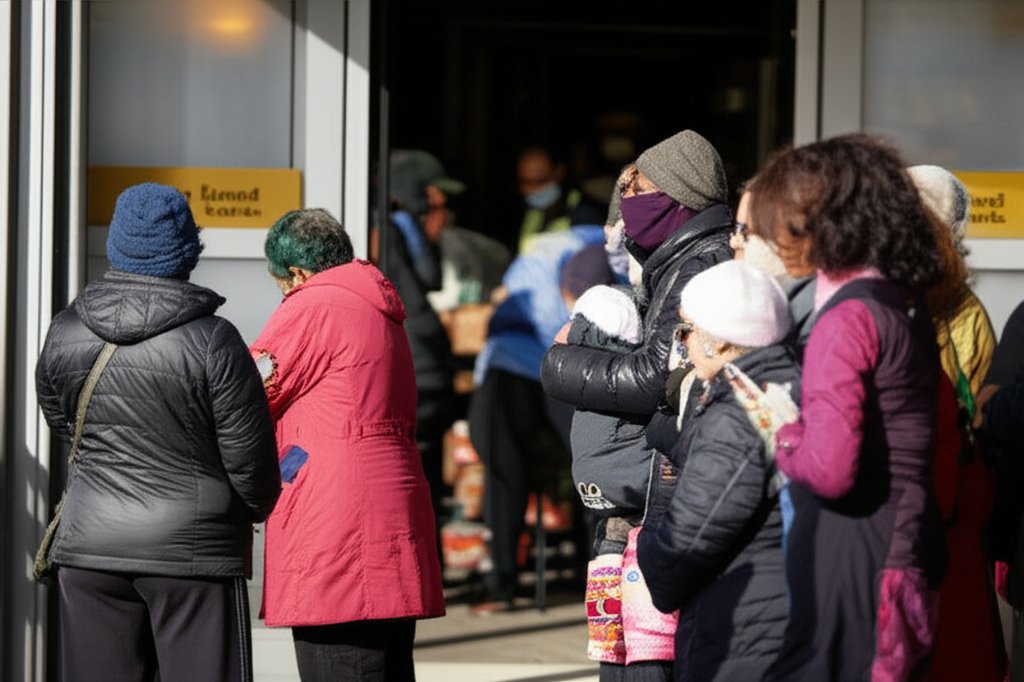
The most immediate and severe impact of this directive will be felt by the estimated 40 million Americans who rely on SNAP benefits to put food on their tables. For many, these benefits are a crucial lifeline, making the difference between adequate nutrition and food insecurity. An unexpected reversal or delay in benefits could leave families, particularly those with children, the elderly, or individuals with disabilities, struggling to afford groceries.
Advocacy groups were quick to condemn the move, warning of a potential increase in food bank reliance and heightened stress on already vulnerable populations. "This isn't just an administrative tweak; it's a direct blow to the financial stability and food security of millions of our fellow citizens," stated a spokesperson for a national hunger relief organization, speaking on condition of anonymity due to ongoing discussions with federal agencies. "States acted to help their residents, and now they're being told to reverse course, creating chaos."
Federal-State Tensions and Administrative Hurdles
The order also intensifies the ongoing tension between federal and state governments regarding social welfare policies. States often adapt federal programs to best serve their unique populations, and early benefit disbursements have, in many cases, been a pragmatic solution to local challenges. The administration's directive underscores a push for stricter federal oversight and standardization.
State welfare departments now face the formidable task of implementing the "undo" order. This could involve complex data adjustments, communication campaigns to inform recipients of changes, and potentially the development of new systems to manage reversals or delayed payments. The administrative burden is significant, with some states already indicating the near impossibility of fully reversing payments that have already been spent by beneficiaries.
Broader Policy Context
This move aligns with the Trump administration's broader approach to federal assistance programs, which has often emphasized stricter eligibility requirements, work mandates, and efforts to reduce overall federal spending on welfare initiatives. Critics argue that such policies disproportionately affect the poorest segments of society and undermine states' abilities to respond flexibly to local needs.
Conversely, proponents of stricter federal oversight often argue that such measures ensure fiscal responsibility, prevent misuse of funds, and promote a consistent application of federal law across all states. The administration has, in the past, highlighted concerns about program integrity and efficiency.
What's Next?
As states grapple with the directive, the coming days are likely to see a flurry of activity. State attorneys general may explore legal avenues to challenge the federal order, while advocacy groups are expected to ramp up public awareness campaigns and lobbying efforts. SNAP recipients are advised to monitor official communications from their state welfare agencies for specific guidance on how their benefits may be affected.
The situation remains fluid, with the potential for legal battles, congressional intervention, and significant public discourse on the role of federal and state governments in providing a safety net for those in need.