
Brussels, Belgium – In a significant move to counter what the European Commission has termed "hybrid war" tactics, Britain, France, and Germany have rapidly deployed specialized anti-drone teams to Belgium. This comes after a series of unsettling incidents last week saw unidentified unmanned aerial vehicles (UAVs) disrupting operations at critical infrastructure sites, including Brussels and Liège airports, and the vital port of Antwerp.
The coordinated international response underscores growing anxieties across the European Union regarding the security of its strategic assets and the evolving nature of geopolitical threats. Officials are increasingly concerned about the sophisticated nature of these incursions and their potential to sow disruption and gather intelligence.
Unidentified Drones Spark Airspace Closures and Security Alerts
Last week, Belgium experienced several alarming drone incidents. Flights were temporarily suspended at Brussels-Zaventem and Liège airports after unidentified UAVs were detected in their restricted airspace. Separate reports confirmed that multiple drones also overflew the sprawling port of Antwerp, one of Europe's largest and busiest maritime hubs. While no direct attacks or damage were reported, the incidents caused significant operational delays and prompted immediate security reviews.
Belgian authorities had been struggling to identify the origin and operators of these drones, highlighting the inherent challenges in detecting, tracking, and neutralizing small, fast-moving aerial threats. The deployment of foreign anti-drone expertise is intended to augment Belgium's capabilities and provide immediate operational support.

EU Flags "Hybrid War" Amid Suspected Russian Involvement
The European Commission has been vocal about the escalating incursions of UAVs over critical infrastructure across the EU in recent months. A spokesperson, speaking on condition of anonymity due to the sensitivity of intelligence matters, stated that these incidents are "unequivocally part of a hybrid war," strongly implying Russian involvement. Moscow has consistently denied accusations of hybrid warfare tactics against European nations.
Hybrid warfare typically involves a blend of conventional and unconventional tactics, including disinformation campaigns, cyberattacks, and the use of proxies or undeclared military assets, to destabilize adversaries without direct military confrontation. The use of unidentified drones over strategic sites fits this definition, posing challenges for attribution and response under traditional security protocols.
International Cooperation to Bolster European Defenses
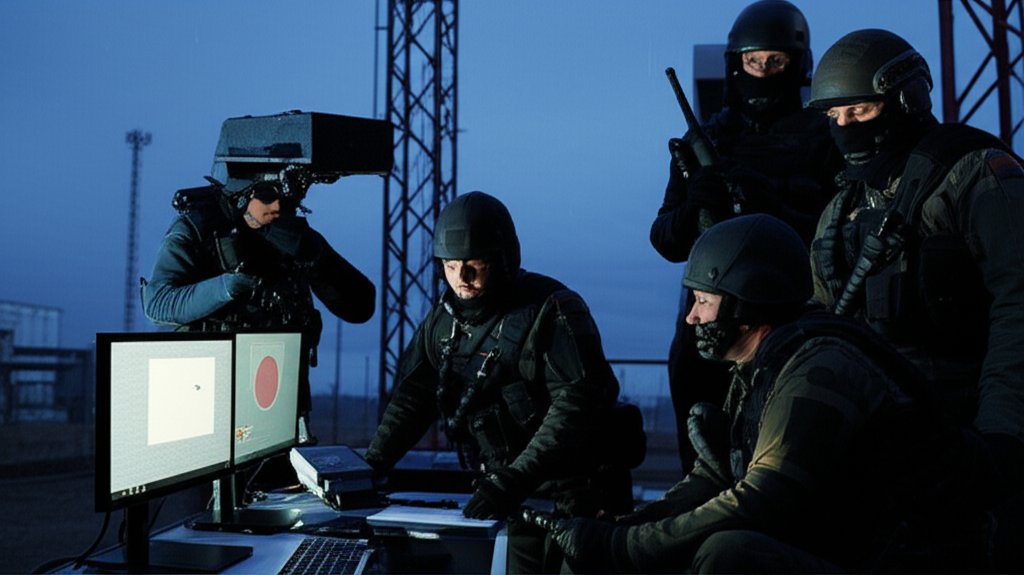
The rapid deployment of specialized units from the UK, France, and Germany signifies a heightened level of cross-border security cooperation within Europe. These teams bring advanced detection systems, electronic countermeasures, and trained personnel capable of identifying and neutralizing drone threats.
"This is a clear demonstration of European solidarity and our collective commitment to safeguarding our critical infrastructure against evolving threats," a senior Belgian defense official told politico.eu, the outlet that first reported the deployment. The official added that the cooperation extends beyond immediate intervention, aiming to share intelligence and develop long-term strategies for drone defense. The UK's Ministry of Defence confirmed its participation, stating that its forces would provide "expertise and technology to our Belgian allies." France and Germany have also issued similar statements, emphasizing the need for a unified European front against these new security challenges.
The Growing Challenge of Drone Warfare
The proliferation of commercially available and increasingly sophisticated drones presents a unique challenge for national security. Their small size, varied capabilities, and ease of operation make them difficult to detect by conventional radar systems and complex to counter without causing collateral damage or disrupting legitimate air traffic.
Experts suggest that these incidents are not merely acts of espionage but could also be probes to test European response capabilities, gather intelligence on critical infrastructure vulnerabilities, or even serve as psychological operations to instill fear and demonstrate reach. The incidents underscore the urgent need for enhanced counter-UAV technologies and more robust, harmonized security protocols across the continent. As the EU grapples with these modern threats, the cooperation seen in Belgium sets a precedent for how European nations might collectively respond to the multifaceted challenges of the 21st-century security landscape.